
Understanding Omega-3 Fatty Acids for Dogs
Omega-3 fatty acids are a class of polyunsaturated fats that are essential for your dog’s health. Because dogs cannot produce these fats on their own, they must be obtained through their diet. While there are several types of omega-3s, the most biologically active and beneficial ones for dogs are Eicosapentaenoic Acid (EPA) and Docosahexaenoic Acid (DHA).
These fatty acids are incorporated into cell membranes throughout the body, helping to maintain fluidity and proper cellular communication. Their most famous trait is their anti-inflammatory properties. EPA and DHA compete with pro-inflammatory omega-6 fatty acids to produce “resolvins” and “protectins,” which actively work to resolve inflammation rather than just blocking it.
Marine sources, such as oily fish (sardines, anchovies and salmon), are the gold standard for these nutrients. Unlike land-based plants, cold-water fish accumulate high concentrations of EPA and DHA in their tissues. According to Scientific research on nutrient requirements, these fatty acids are vital for various physiological processes. You can find More info about Omega-3 benefits on our dedicated health page.
The Role of EPA and DHA in Canine Health
Each component of fish oil plays a specific role in your dog’s body. EPA is primarily associated with reducing systemic inflammation. This makes it a powerhouse for supporting heart health, kidney function and joint mobility. By reducing the production of inflammatory lipids, EPA helps dogs with arthritis stay more agile and comfortable.
DHA, on the other hand, is the primary structural fat in the brain and retina. It is critical for puppies during development to ensure proper brain and eye growth. In older pets, Research on cognitive function in senior dogs shows that DHA supplementation can improve memory and the recognition of family members, helping to combat the effects of canine cognitive dysfunction.
Why Plant-Based Omegas Often Fall Short
Many pet owners turn to flaxseed, chia seeds or hemp oil as a “clean” source of omega-3s. These contain Alpha-Linolenic Acid (ALA). While ALA is an omega-3, dogs are remarkably inefficient at converting ALA into the usable forms of EPA and DHA.
In fact, studies suggest that less than 10% of ALA is converted in dogs, and in cats, the conversion is almost non-existent. Relying on flaxseed for a dog with itchy skin or stiff joints is often ineffective because the dog’s metabolism cannot process it fast enough to make a difference. This is why we prioritise marine sources; for more details, see our More info about sardines vs salmon guide.
Determining the Correct Fish Oil for Dogs Dosage
Finding the right fish oil for dogs dosage requires a move away from “one teaspoon per meal” and toward milligram-based calculations. The dosage should be based on the combined weight of EPA and DHA, as these are the active ingredients that provide the health benefits.
Dosing is generally split into two categories: maintenance and therapeutic. Maintenance is for healthy dogs to prevent future issues, while therapeutic is for dogs currently suffering from conditions like allergies or arthritis. Research on fish oil for skin and coat support highlights that consistent, appropriate dosing is key to seeing a visible difference in coat shine and skin health.
Maintenance Fish Oil for Dogs Dosage for Daily Health
For a healthy dog with no underlying issues, a maintenance dose of 50-75 mg of combined EPA and DHA per kg of body weight is the standard recommendation. This level of supplementation ensures the immune system is resilient and the skin barrier remains strong.
Preventative care is often the best medicine. By starting a maintenance dose early in life, you provide the building blocks for long-term vitality. For a deeper dive into general wellness, check out More info about Omega-3 for dogs.
Therapeutic Fish Oil for Dogs Dosage for Chronic Conditions
When a dog is struggling with a specific health challenge, the fish oil for dogs dosage needs to be significantly higher to achieve a pharmacological effect. For osteoarthritis, many veterinarians recommend a dose of 100 mg per kg of body weight, with some clinical studies suggesting up to 220 mg per kg for severe cases.
Scientific research on joint inflammation indicates that these higher doses help to down-regulate the enzymes that break down cartilage in the joints. Similarly, dogs with atopy (skin allergies) often require higher therapeutic doses to reduce the “itch” threshold and improve the skin’s lipid barrier.
How to Calculate EPA and DHA Requirements
The biggest mistake pet owners make is looking at the front of the bottle and seeing “1000 mg Fish Oil.” This number refers to the total weight of the oil, not the amount of omega-3s. To find the true fish oil for dogs dosage, you must turn the bottle around and look at the “Supplement Facts” or “Guaranteed Analysis” label.
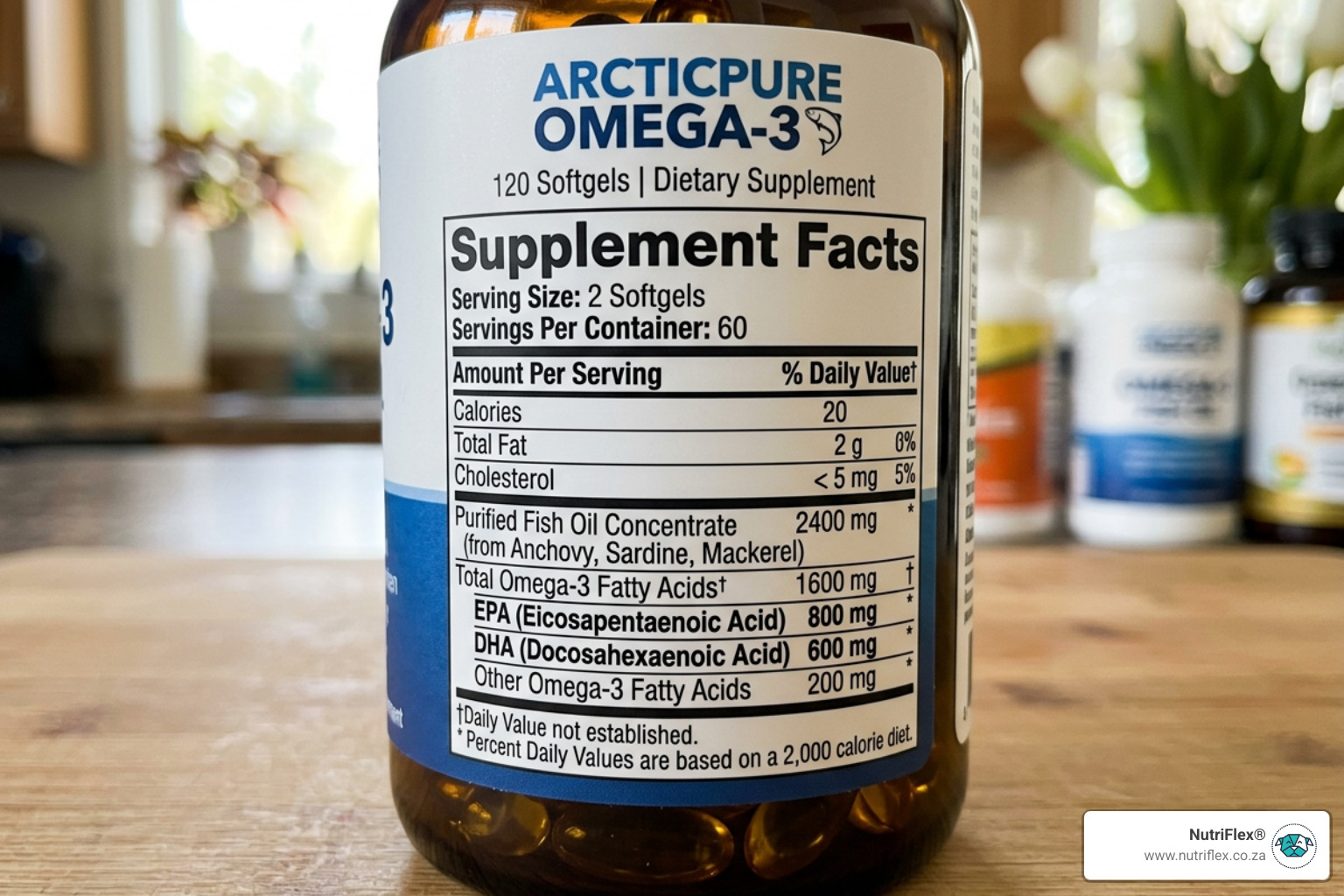
You are looking for the specific milligram (mg) amounts for Eicosapentaenoic Acid (EPA) and Docosahexaenoic Acid (DHA). Add these two numbers together to get your total “active” dose per serving. You can find More info about premium fish oil and how we label our products for transparency on our shop page.
Calculating Milligrams per Kilogram
Let’s use a 20 kg dog as an example.
- Maintenance dose (75 mg/kg): 20 kg x 75 mg = 1,500 mg of combined EPA/DHA daily.
- Therapeutic dose (100 mg/kg): 20 kg x 100 mg = 2,000 mg of combined EPA/DHA daily.
If your chosen liquid fish oil provides 500 mg of EPA/DHA per 5 ml, you would need to give 15 ml (3 teaspoons) for maintenance. If you use high-concentration softgels, you might only need two or three capsules. Always stay mindful of Research on maximum safe doses to ensure you do not exceed 310 mg per kg, which is the upper limit for dogs with osteoarthritis.
Adjusting for Commercial Diet Intake
Many premium South African kibbles are now “enriched” with omega-3s. However, the heat used in the extrusion process of making kibble can often degrade these sensitive fats. Furthermore, Scientific research on fish oil in pet diets notes that unless the food is a specific “Prescription Joint Diet,” the levels of EPA and DHA are usually only enough to meet basic nutritional requirements, not therapeutic ones.
If your dog is on a veterinary-prescribed joint diet, consult your vet before adding a supplement. These diets are formulated with very high levels of fish oil, and adding more could lead to digestive upset or unintended weight gain.
Selecting High-Quality Fish Oil in South Africa
Not all fish oils are created equal. In South Africa, it is vital to look for products that are Act 36 registered. This registration ensures that the product has been reviewed for safety and that the claims on the label are accurate. At NutriFlex®, we manufacture our supplements in a certified human-grade facility in Cape Town, following strict FSA accredited protocols.

Choosing a local, reputable manufacturer means you are getting a product designed for the South African climate and market. Learn More info about fish oil for health and vitality and why sourcing matters.
Purity and Sustainability Standards
Fish at the top of the food chain, like large tuna or swordfish, can accumulate heavy metals like mercury and lead. High-quality supplements use small, short-lived wild-caught fish like sardines and anchovies, which have much lower toxin levels.
Additionally, Research on triglyceride reduction emphasizes that the form of the oil matters. Look for oils in their natural triglyceride form rather than ethyl esters, as they are better absorbed by the dog’s body.
Storage and Freshness Protocols
Fish oil is highly susceptible to oxidation, which happens when it is exposed to light, heat or oxygen. Oxidised oil smells rancid and can actually cause inflammation rather than reducing it.
To keep your oil fresh:
- Choose products in dark or opaque bottles.
- Ensure the formula includes Vitamin E (tocopherols) as a natural antioxidant.
- Refrigerate liquid oils after opening.
- If using capsules, keep them in a cool, dark cupboard. For more on our encapsulated options, see More info about Omega-3 softgels.
Potential Side Effects and Safety Precautions
While fish oil is generally very safe, introducing too much too quickly can lead to “fishy” breath and loose stools. We always recommend a gradual introduction over 7 to 10 days, starting with a quarter of the target dose and slowly working your way up.
Beyond digestive issues, high doses of fish oil have an anti-clotting effect. Research on heart health and anticoagulants suggests this can be beneficial for dogs with certain heart conditions, but it also means you must be cautious if your dog is scheduled for surgery.
Identifying Signs of Overdose
If the fish oil for dogs dosage is excessively high for a long period, you may notice:
- Chronic diarrhea or greasy stools.
- Unexplained weight gain (oil is calorie-dense).
- Delayed wound healing.
- A “fishy” odour emanating from the skin.
Scientific research on lipid production notes that while these side effects are rare, they are easily reversed by reducing the dosage or temporarily stopping the supplement.
When to Consult a South African Veterinarian
It is always wise to chat with your vet before starting a new supplement regime, especially if your dog is on medication like NSAIDs (anti-inflammatories) or blood thinners.
Specific life stages also require careful balancing. For example, Research on puppy development and DHA shows that while DHA is essential for growth, over-supplementing total fats can interfere with the absorption of other nutrients in a growing puppy’s diet.
Frequently Asked Questions about Fish Oil for Dogs Dosage
Can I use human fish oil for my dog?
Technically yes, but it is not always ideal. Human supplements are often concentrated for an 80 kg adult, making it very easy to overdose a 10 kg dog. More importantly, some human fish oils contain flavourings or sweeteners like xylitol, which is highly toxic to dogs. Canine-specific products like NutriFlex® Omegamax are formulated specifically for pet safety and easy dosing.
How long does it take to see results from supplementation?
Patience is key. While some owners notice a shinier coat within two weeks, the anti-inflammatory effects on joints and internal organs usually take 4 to 8 weeks to become fully apparent. This timeline aligns with the natural turnover of skin cells and the time required for fatty acids to accumulate in cell membranes.
Is the fish oil for dogs dosage different for puppies and seniors?
Yes. Puppies generally require higher levels of DHA for neurodevelopment, whereas seniors benefit more from higher EPA levels to manage the “inflammaging” associated with old age. Senior dogs with kidney issues or heart disease may also require specific therapeutic dosages managed by a veterinarian.
Conclusion
Supplementing with fish oil is one of the most impactful steps you can take for your dog’s long-term health. By understanding the correct fish oil for dogs dosage and choosing a high-quality, South African-made product, you are supporting your pet’s mobility, immunity and brain health for years to come.
Whether you are looking for a daily maintenance boost or a high-strength therapeutic solution, we have a range of options to suit your needs. Explore More info about the NutriFlex Omega-3 range to find the perfect match for your furry companion.