
Why Bone Broth Metabolic Health Is Getting Serious Scientific Attention
Bone broth metabolic health is a topic that has moved well beyond traditional folk medicine and into peer-reviewed research, and for good reason.
Quick answer: How does bone broth support metabolic health?
| Mechanism | Key Nutrient | Benefit |
|---|---|---|
| Gut barrier integrity | Glutamine, Glycine | Reduces intestinal permeability |
| Blood sugar regulation | Glycine | Supports insulin sensitivity |
| Satiety and weight management | Protein (8-10g per 240ml) | Reduces appetite and calorie intake |
| Inflammation reduction | Arginine, Proline | Lowers chronic inflammatory markers |
| Muscle preservation | Collagen peptides | Supports lean mass during weight loss |
| Mineral support | Calcium, Magnesium, Zinc, Phosphorus | Supports enzymatic and metabolic function |
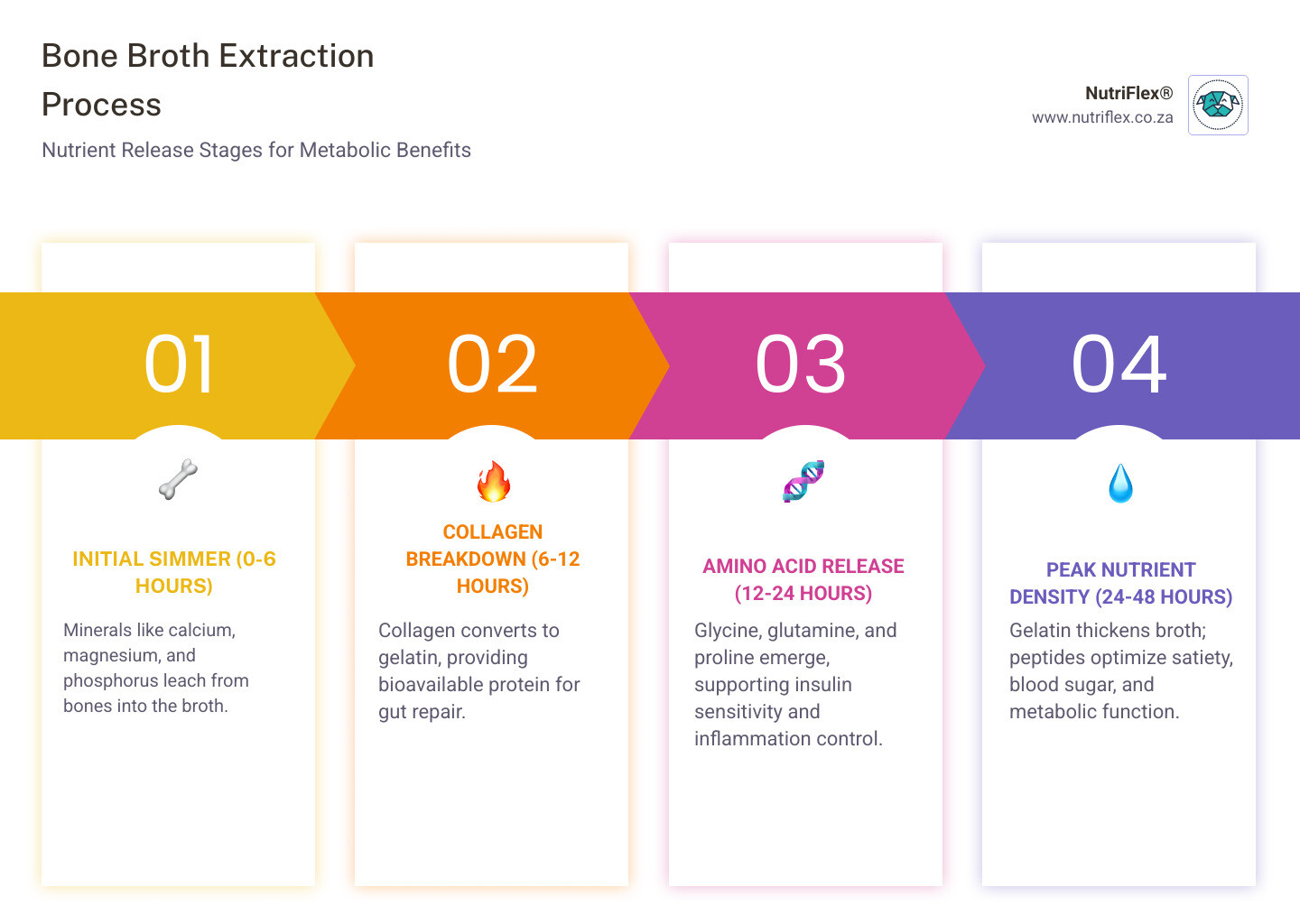
Bone broth is made by simmering animal bones for extended periods, typically between 12 and 48 hours. This slow extraction process draws out collagen, gelatin and bioavailable amino acids that standard stocks and broths simply do not deliver in the same concentrations.
The result is a nutrient-dense liquid that provides meaningful amounts of protein alongside specific amino acids, particularly glycine, glutamine and proline, that play direct roles in gut function, inflammation control and metabolic regulation.
The science is still developing. Most studies have focused on isolated nutrients rather than bone broth itself. But the foundational evidence is solid enough that both nutritionists and researchers are taking a closer look at how this traditional food supports modern metabolic challenges, from gut permeability and chronic inflammation to weight management and blood sugar control.
I’m Sharon Milani, co-founder of NutriFlex® and a specialist in collagen-based functional nutrition developed alongside veterinary and animal food scientists. My work formulating South Africa’s first certified human-grade pet supplement range has given me direct insight into how bioavailable collagen and amino acids contribute to bone broth metabolic health across all life stages, in both animals and humans.
Understanding Bone Broth Metabolic Health
When we talk about bone broth metabolic health, we are looking at how the unique profile of collagen peptides and amino acids influences the body’s internal chemistry. Unlike regular broth which is made primarily from meat and simmered for a short time, bone broth is a long-simmered extract of bones, marrow and connective tissue.
This distinction is vital for metabolic function. The extended cooking time breaks down collagen into gelatin, releasing bioactive peptides that may improve insulin sensitivity and glycaemic control. Research suggests that these components help the body manage blood sugar more effectively, which is a cornerstone of preventing metabolic syndrome.
One of the most significant ways bone broth supports metabolism is through satiety hormones. The high protein content, which can range from 8g to 20g per serving depending on the concentration, triggers the release of hormones that tell the brain the body is full. This makes it an excellent tool for weight management and appetite control.
To understand the difference, consider the nutritional breakdown below:
| Nutrient | Standard Stock (240ml) | Bone Broth (240ml) |
|---|---|---|
| Protein | 2-6g | 8-10g+ |
| Collagen/Gelatin | Trace | High |
| Glycine | Low | 500-1700mg |
| Glutamine | Low | 600mg-1000mg |
| Calories | 15-30 | 40-60 |
Scientific research on bone broth nutrients highlights that while it is not a “miracle cure” it provides a concentrated source of nutrients that are often missing from modern, highly processed diets. In South Africa, where metabolic conditions like obesity and diabetes are on the rise, incorporating functional foods like bone broth offers a simple, natural way to support systemic health.
Key Nutritional Components for Metabolic Function
The “magic” of bone broth lies in its specific amino acid profile. While most protein sources are high in branched-chain amino acids (BCAAs) like leucine, bone broth is exceptionally rich in glycine, proline, hydroxyproline and glutamine. These amino acids are essential for building connective tissue, supporting the liver and maintaining a healthy gut lining.
According to the amino acid content of beef and chicken broth, turkey bone broth can contain up to 1g of glutamine per cup, while beef versions provide roughly 618mg. These levels are significant when consumed as part of a daily nutritional rotation.
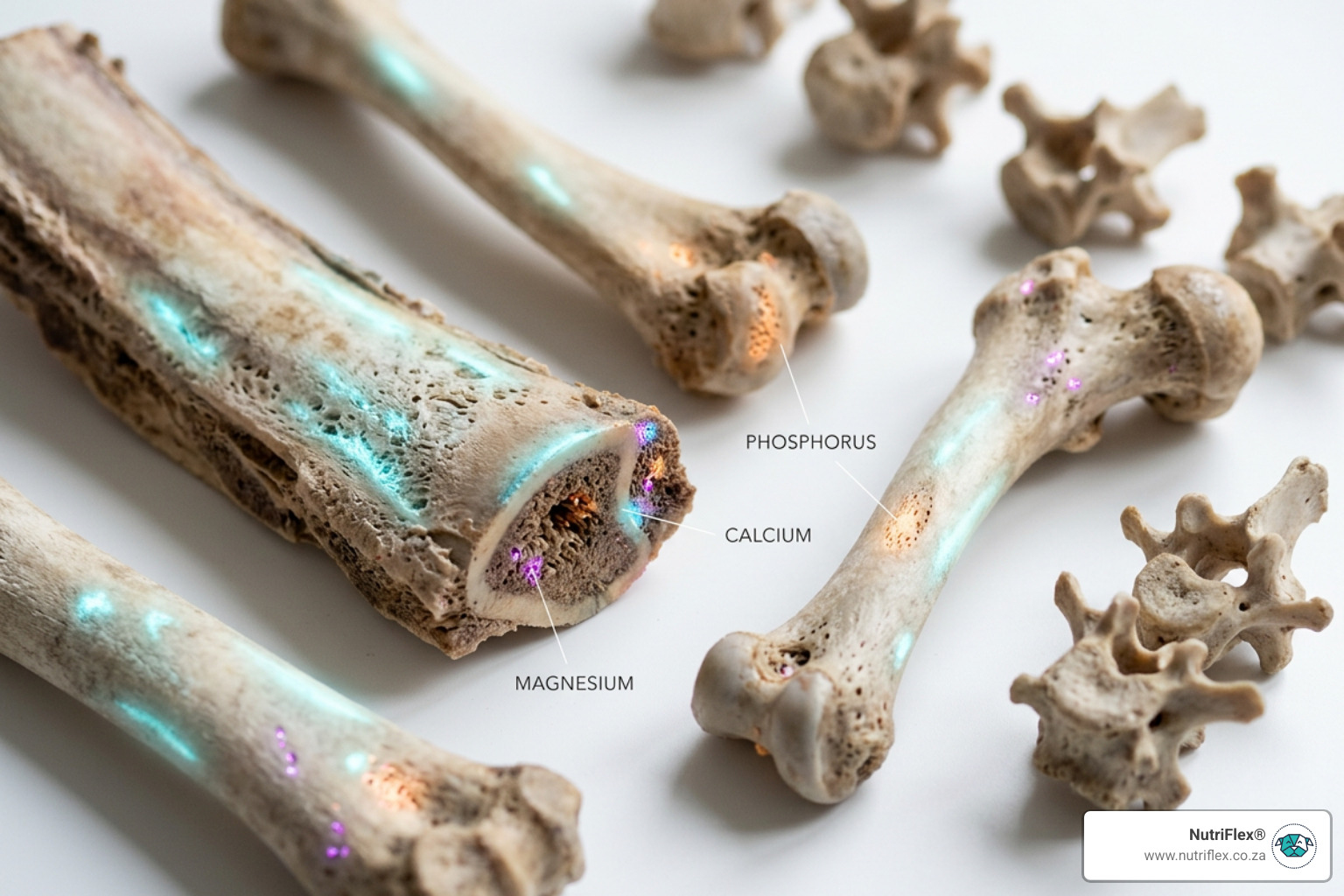
Beyond amino acids, bone broth serves as a source of essential electrolytes and minerals. Nutritionist Laura Parada notes that it provides potassium, magnesium, phosphorus, iron, selenium, calcium and certain B vitamins. Although the bones themselves contribute less than 5% of the daily value for calcium and magnesium, the broth remains a hydrating, electrolyte-rich liquid that supports cellular metabolic function.
How Glycine Supports Bone Broth Metabolic Health
Glycine is perhaps the most underrated amino acid in the metabolic conversation. It makes up about one-third of the collagen molecule and plays a massive role in blood sugar regulation. Glycine has been shown to improve insulin sensitivity by helping the body clear glucose from the bloodstream more efficiently.
Furthermore, glycine is a precursor to glutathione, the body’s master antioxidant. This is crucial for liver detoxification and the removal of metabolic waste. By reducing oxidative stress, glycine helps protect metabolic organs like the pancreas and liver from chronic damage.
There is also a fascinating link between glycine and sleep. A study found that taking 3g of glycine before bed improved sleep quality. Since poor sleep is a major driver of metabolic dysfunction and weight gain, the 500mg to 1700mg of glycine found in a cup of bone broth can be a helpful evening ritual to support overall wellness.
The Role of Glutamine in Bone Broth Metabolic Health
Glutamine is the primary fuel source for the cells lining the small intestine (enterocytes). In the context of bone broth metabolic health, glutamine is essential for maintaining nitrogen balance and preserving muscle tissue. This is particularly important during weight loss, as we want the body to burn fat while keeping metabolically active muscle.
Glutamine also supports the immune system. Since a large portion of the immune system resides in the gut, providing these cells with their preferred fuel helps lower systemic inflammation. Chronic inflammation is a known “silent killer” that disrupts metabolic pathways and leads to insulin resistance.
Supporting Gut Integrity and the Intestinal Barrier
The phrase “all disease begins in the gut” is especially true for metabolic health. A compromised intestinal barrier, often called “leaky gut”, allows undigested food particles and toxins to leak into the bloodstream. This triggers a systemic inflammatory response that can lead to Irritable Bowel Disease (IBD) and metabolic disorders.
Bone broth benefits for gut barrier health are well documented in animal models and emerging human research. The gelatin in bone broth helps “seal” the gut by supporting the mucosal lining and the tight junction proteins that keep the intestinal wall secure.
For those looking to improve their digestive resilience, we often recommend starting with high-quality liquid nutrition. You can find more info about digestive and gut health services that focus on these functional principles. By reducing intestinal permeability, bone broth helps balance the microbiome and ensures that the nutrients you consume are actually absorbed and utilised by your metabolism.
Weight Management and Satiety Benefits
One of the most practical applications of bone broth metabolic health is in weight management. Because it is high in protein but low in calories, it provides a “satiety shortcut”. Drinking a cup of broth before a meal can lead to lower overall calorie consumption because the protein signals the brain that you are satisfied.
A study on collagen and body fat reduction involving 74 older adults showed a significant reduction in body fat mass in the group taking collagen supplements compared to a placebo. While bone broth contains variable levels of collagen compared to supplements, its inclusion in a high-protein diet supports the thermic effect of food (the energy required to digest nutrients), which naturally boosts metabolism.
In a recent open-label clinical trial, participants following a “Bone Broth Diet” combined with intermittent fasting achieved an average weight loss of 7.7kg over eight weeks. Interestingly, their muscle mass actually increased by 1.9% while fat mass dropped by 2.2%. This suggests that the amino acids in bone broth help protect lean tissue even during a calorie deficit.
Practical Usage and Safety Considerations in South Africa
If you are looking to incorporate bone broth into your lifestyle, quality is everything. In South Africa, many store-bought “stocks” are actually high in salt, artificial flavourings and MSG. Some commercial bone broths contain over 450mg of sodium per cup, which is nearly 20% of the recommended daily limit.
When we produce our bone broth at NutriFlex®, we adhere to strict human-grade manufacturing standards in our Cape Town facility. We focus on low-temperature simmering to preserve the delicate proteins and enzymes.
For the best results at home:
- Simmering times: Aim for 12-24 hours for chicken and 24-48 hours for beef bones.
- Acidity: Add two tablespoons of organic apple cider vinegar to the water to help pull minerals and collagen from the bones.
- Texture: A high-quality broth should turn into a “jelly” when chilled. This is the sign of high gelatin content.
- Safety: Always choose bones from grass-fed, pasture-raised animals to avoid antibiotic residues.
For pet owners, it is vital to ensure the broth does not contain onions, grapes or excessive salt. If you are searching for the best bone broth gravy for dogs, look for products that are Act 36 registered, which ensures they meet South African regulatory standards for safety and nutritional claims.
Incorporating Functional Broth into Daily Nutrition
You don’t have to drink bone broth straight to get the benefits. It is an incredibly versatile ingredient for both humans and pets. We recommend using it as a base for:
- Cooking quinoa or rice to add flavour and protein.
- Deglazing pans for healthy sauces.
- Hydrating dry food or kibble to support kidney health and digestion.
- Sipping as a warm, comforting snack between meals to curb cravings.
At NutriFlex®, our bone broth for dogs South Africa is designed as a functional meal topper. It provides a concentrated burst of collagen and minerals that support joint mobility and gut health, which are essential components of long-term metabolic vitality.
Frequently Asked Questions about Bone Broth
Is bone broth better than standard stock for metabolism?
Yes. Standard stock is usually simmered for only 2-4 hours and often uses meat rather than bones. Bone broth’s long simmer (12-48 hours) extracts significantly more glycine, glutamine and collagen, which are the primary drivers of bone broth metabolic health.
Can bone broth help with joint inflammation and mobility?
Absolutely. The proline and glycine in bone broth are used by the body to build its own connective tissue, including tendons and ligaments. While it may not contain the same therapeutic dose as a concentrated supplement, it provides the “building blocks” (collagen precursors) necessary for joint repair and reducing inflammation.
How much bone broth should be consumed for metabolic benefits?
Most experts recommend 1-2 cups (250ml – 500ml) per day to see benefits in gut health and satiety. For metabolic support during weight loss, using it as a fasting aid or a pre-meal snack is most effective.
Conclusion
The evidence for bone broth metabolic health is compelling. From supporting the delicate lining of the gut to providing the amino acids necessary for blood sugar regulation and muscle preservation, bone broth is more than just a trend—it is a return to functional, whole-food nutrition.
Whether you are looking to support your own metabolic function or looking for premium bone broth for dogs to enhance your pet’s vitality, the principles remain the same: prioritise quality, ensure long simmering times and choose products with transparent, human-grade sourcing.
By incorporating this ancient elixir into a modern lifestyle, we can take a significant step towards better digestive balance, reduced inflammation and a more resilient metabolism. At NutriFlex®, we remain committed to bringing these science-aligned, South African-made nutritional solutions to your home, ensuring every bowl contributes to a healthier, more active life for your family and your pets.
