
Why So Many South African Dog Owners Are Searching for Skin Relief Right Now
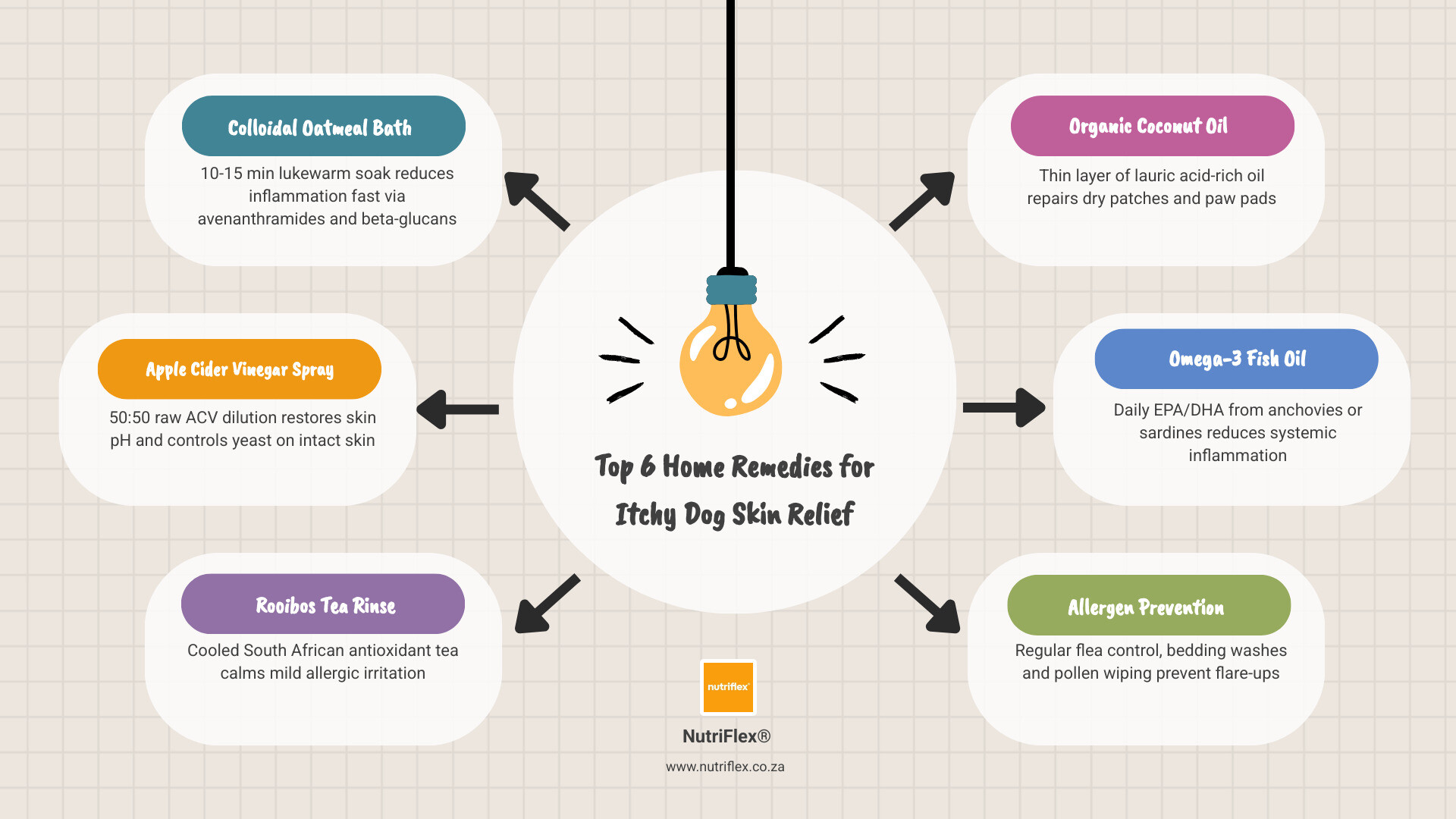
If you need a quick answer, here are the most effective home remedies for itchy dog skin relief:
| Remedy | Best For | How to Use |
|---|---|---|
| Colloidal oatmeal bath | General itching and inflammation | Soak 10-15 minutes in lukewarm water |
| Apple cider vinegar spray | Yeast-related itching on intact skin | 50:50 dilution with water, spray affected areas |
| Rooibos tea rinse | Mild allergic irritation | Cool brewed tea, apply as rinse or compress |
| Organic coconut oil | Dry, flaky patches and paw pads | Thin layer on affected areas only |
| Omega-3 supplementation | Systemic inflammation and coat health | Daily fish oil added to food |
Watching your dog scratch relentlessly is one of the most frustrating experiences for any pet owner. That constant itch disrupts their sleep, damages their skin and can quickly spiral into something far more serious.
Home remedies for itchy dog skin relief are among the most searched pet health topics in South Africa right now, and for good reason. With seasonal allergens like Jacaranda pollen and fynbos active for several months of the year, many dogs struggle with recurring skin flare-ups that leave owners looking for accessible, affordable solutions.
The good news is that several safe and effective options may already be in your kitchen or bathroom cabinet. But not all remedies work the same way, and some popular suggestions can actually make things worse.
Approximately 10-15% of dogs suffer from allergic skin disease, making it one of the most common reasons for veterinary visits. And up to 30% of those dogs will develop secondary bacterial or yeast infections as a result of excessive scratching, which means acting early matters.
This guide covers what actually works, what to avoid and when it is time to call your vet.
I’m Sharon Milani, co-founder of NutriFlex® and Director of SmartPack PTY Ltd. Through years of developing human-grade pet supplements alongside veterinarians and animal food scientists, I’ve seen first-hand how the right nutritional and topical approach can transform a dog’s skin health. Providing practical, evidence-aligned home remedies for itchy dog skin relief is central to the work we do at NutriFlex®.
Home remedies for itchy dog skin relief terms explained:
Understanding Canine Pruritus and Identifying the Root Cause
Before we can effectively soothe our dog’s skin, we must understand why they are scratching. In veterinary medicine, the clinical term for itchy skin is pruritus. Unlike humans, who primarily experience seasonal allergies through runny eyes and sneezing, a dog’s allergic response occurs almost entirely through their skin. This is because a dog’s mast cells, which release histamines during an allergic reaction, are heavily concentrated in the skin barrier.
When our dogs come into contact with allergens, their skin becomes red, inflamed and itchy. This triggers the classic itch-scratch cycle: the dog scratches to relieve the itch, which damages the physical skin barrier, allowing environmental pathogens to enter and cause secondary infections.
To provide lasting relief, we must identify the underlying trigger. The most common causes of canine pruritus include:
- Atopic Dermatitis (Environmental Allergies): This is an inherited predisposition to develop allergic reactions to inhaled or contact allergens such as dust mites, mould spores, fynbos pollen and grass. It often causes seasonal flare-ups, particularly during the warm spring and summer months in South Africa. You can read more about managing this in our definitive guide to itchy dogs.
- Flea Allergy Dermatitis (FAD): This is not simply a reaction to fleas crawling on your dog. FAD is an actual allergic reaction to the proteins present in flea saliva. In highly sensitive dogs, a single flea bite can trigger weeks of generalized, intense itching, concentrated around the lower back, tail base and thighs.
- Food Sensitivities: True food allergies account for roughly 10% of all canine skin allergies. They are typically triggered by common protein sources such as beef, chicken or dairy. Food sensitivities usually cause year-round itching that targets the ears, paws, belly and rear end.
- Contact Dermatitis: This occurs when a dog’s skin directly touches an irritating substance, such as harsh floor cleaners, synthetic lawn fertilizers or highly fragranced human shampoos.
- Secondary Infections: When the skin barrier is compromised by scratching, naturally occurring microbes on the skin can multiply out of control. This leads to yeast overgrowth (Malassezia dermatitis) or bacterial skin infections (pyoderma). Yeast infections are notorious for creating a greasy coat, reddish-brown staining on the paws and a distinct, musty corn-chip odour.
- Parasitic Mites: Mites burrowing into the skin can cause severe conditions like sarcoptic mange (which is highly contagious and zoonotic) or demodectic mange (linked to a compromised immune system). Identifying these early is crucial, and you can explore targeted mange and mite remedies to support their recovery.
Understanding these root causes prevents us from blindly treating symptoms while the underlying issue continues to damage our dog’s health.
Top 7 Home Remedies for Itchy Dog Skin Relief
Topical and dietary home remedies can be incredibly effective for managing mild to moderate skin irritation. They help repair the skin barrier, reduce localized inflammation and lower the risk of secondary infections.
When searching for a diy dog anti itch solution, it is best to start with gentle, natural options. Many of these Vet-approved home remedies can be easily prepared using items already in your kitchen or bathroom cabinet.
Here are the top seven natural remedies to soothe your dog’s skin.
Colloidal Oatmeal Baths for Itchy Dog Skin Relief
Colloidal oatmeal is considered the gold standard of natural topical relief. Unlike standard breakfast oats, colloidal oatmeal is whole oat grains ground into an extremely fine powder that remains suspended in water rather than sinking.
This remedy works because oats contain active compounds called avenanthramides, which are powerful anti-inflammatory and antioxidant agents. Avenanthramides actively inhibit the release of pro-inflammatory cytokines and histamines in the skin, reducing redness and itching within minutes. Additionally, oats contain beta-glucans, which form a protective, moisture-retaining film over the skin, and natural saponins that gently cleanse the skin without stripping its natural oils.
To make this at home, follow our simple DIY colloidal oatmeal guide:
- Place 150 grams of plain, unflavoured rolled oats or quick oats into a blender or food processor. Blend on high for 60 seconds until the oats are a fine, uniform powder.
- Test the powder by stirring one tablespoon into a glass of warm water. If the water turns milky and the powder remains suspended without settling to the bottom, your colloidal oatmeal is ready.
- Fill your bathtub with lukewarm water. Avoid hot water, as heat triggers histamine release and will make your dog’s itching worse.
- Stir the oatmeal powder into the bath until the water is completely milky.
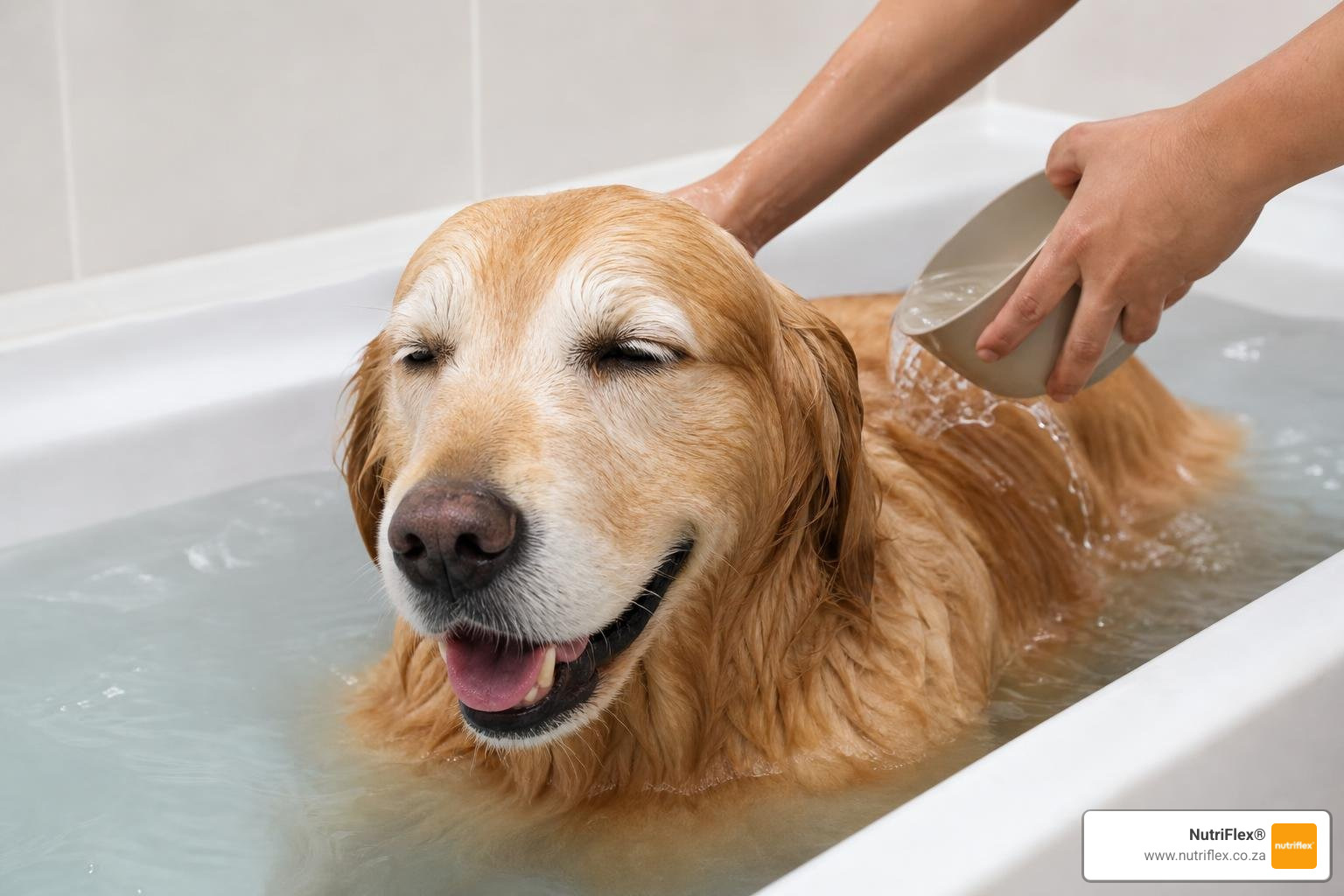
- Gently place your dog in the bath and use a cup to pour the water over their body, paying close attention to the belly, paws and neck.
- Allow your dog to soak for 10-15 minutes.
- Rinse gently with lukewarm water, pat dry with a soft towel (do not rub vigorously) and ensure sensitive areas like ear canals and skin folds are completely dry.
This bath can be repeated once or twice weekly for dogs experiencing active skin flare-ups.
Apple Cider Vinegar Sprays for Itchy Dog Skin Relief
Apple cider vinegar (ACV) is highly effective for yeast-related itching. Yeast thrives in alkaline environments. While human skin is naturally acidic (pH of approximately 5.5), canine skin is much more alkaline, ranging from 7.0 to 7.5. This makes dogs highly susceptible to yeast overgrowth when their skin barrier is weakened. Raw, unfiltered ACV containing “the mother” is rich in beneficial enzymes and acetic acid, which lowers the skin’s pH and creates an inhospitable environment for yeast.
To use ACV safely, create a 50:50 dilution spray:
- Mix equal parts raw, organic apple cider vinegar and clean, lukewarm water in a clean spray bottle.
- Lightly mist the solution onto itchy paws, underarms or the base of the tail.
- Allow the mixture to dry naturally.
Critical Safety Warning: Never apply apple cider vinegar to open wounds, raw scratches, hot spots or broken skin. The acid will sting intensely, causing your dog pain and distress. If your dog has scratched themselves raw, skip the vinegar and opt for a soothing tea rinse instead.
Rooibos Tea Rinses and Compresses
Rooibos tea is a treasured, uniquely South African remedy with exceptional skin-soothing properties. Sourced from the Cederberg region of the Western Cape, Rooibos (Aspalathus linearis) is naturally caffeine-free and packed with unique, powerful antioxidants, including aspalathin and nothofagin. These flavonoids possess documented anti-inflammatory, antibacterial and antiviral properties that calm allergic skin reactions and support cellular repair.
To prepare a Rooibos tea rinse:
- Steep three to four organic Rooibos tea bags in one litre of boiling water for 10-15 minutes to create a strong brew.
- Allow the tea to cool completely to room temperature. You can place it in the fridge to provide an extra cooling sensation on inflamed skin.
- Pour the cooled tea over your dog’s coat as a post-bath rinse, massaging it gently into the skin. Do not rinse it off; let it dry naturally.
- For localized irritation, such as itchy paws or a red belly, soak a clean, soft cloth in the cooled tea and hold it against the irritated area as a compress for 5-10 minutes.
Because Rooibos is completely non-toxic, it is entirely safe if your dog licks their skin after application.
Organic Coconut Oil for Skin Barrier Support
Organic virgin coconut oil is an excellent topical moisturizer for dry, flaky skin patches, callused elbows and cracked paw pads. It is rich in lauric acid, a medium-chain fatty acid with proven antimicrobial and antifungal properties. Lauric acid helps reduce the population of harmful bacteria on the skin surface, lowering the risk of secondary infections while restoring moisture to the lipid barrier.
How to apply coconut oil safely:
- Scoop a small amount (about half a teaspoon) of organic, cold-pressed coconut oil into your hands.
- Rub your hands together until the oil melts from your body heat.
- Gently massage a very thin layer onto dry, irritated patches of skin.
- Monitor your dog for 15 minutes after application to prevent them from simply licking the oil off.
While coconut oil is beneficial in small amounts, do not slather your dog’s entire body. Excessive oil can trap heat, clog skin pores and attract dirt, which can worsen skin irritation.
Omega-3 Fatty Acid Supplementation
While topical treatments address localized irritation, systemic inflammation must be managed from the inside out. Omega-3 fatty acids, specifically eicosapentaenoic acid (EPA) and docosahexaenoic acid (DHA), are highly effective natural anti-inflammatory agents.
When absorbed by the body, EPA and DHA integrate into cell membranes, reducing the production of inflammatory chemicals like leukotrienes and prostaglandins. Over time, this systemic reduction in inflammation strengthens the skin barrier, reduces dryness and significantly decreases itching. Clinical studies show that consistent omega-3 supplementation can reduce itching and inflammation in allergic dogs by up to 50%.
To get the best results, use a high-quality fish oil sourced from small, wild-caught, low-trophic species like anchovies and sardines, which contain high concentrations of active EPA and DHA and have a lower risk of heavy metal accumulation than farmed salmon.
For a comprehensive approach to internal skin support, explore our natural solutions for itchy skin to help restore your dog’s coat from within.
Baking Soda Paste for Localized Relief
Baking soda (sodium bicarbonate) is highly effective for soothing localized, intense itching caused by insect bites, bee stings or small patches of contact dermatitis. It acts as a natural acid neutralizer and mild anti-inflammatory agent that draws out toxins and calms irritated nerve endings.
To make a baking soda paste:
- Mix equal parts baking soda and water to form a thick, smooth paste.
- Apply the paste directly to the itchy spot and leave it on for 10 minutes.
- Rinse the area thoroughly with lukewarm water and pat dry.
Do not apply baking soda over large areas of the body, as it can dry out the skin if left on too long.
Chamomile and Green Tea Rinses
Both chamomile and green tea contain natural compounds that soothe inflamed skin. Chamomile contains bisabolol and apigenin, which reduce muscle spasms and skin inflammation, while green tea is rich in epigallocatechin gallate (EGCG), a powerful antioxidant that helps calm irritated skin and reduce redness.
To use this remedy:
- Steep two chamomile and two green tea bags in one litre of hot water for 10 minutes.
- Remove the bags and allow the liquid to cool completely.
- Use the cooled tea as a soothing wash for itchy paws, or mist it onto your dog’s belly using a spray bottle.
Risks, Side Effects and What to Avoid
While natural remedies are generally safe, improper use can cause adverse reactions or delay necessary veterinary care.
First, never use essential oils on your dog’s skin. Highly concentrated oils like tea tree, clove, pennyroyal, wintergreen and eucalyptus are toxic to dogs. Because dogs have a highly sensitive sense of smell and lick their coats, applying these oils can cause severe skin irritation, chemical burns and systemic toxicity if ingested.
Second, avoid human medications unless explicitly prescribed by your veterinarian. Human anti-itch creams, lotions and sunscreens often contain ingredients like zinc oxide or hydrocortisone. If licked and swallowed, zinc oxide can cause severe red blood cell damage, while hydrocortisone can lead to hormonal imbalances and gastrointestinal distress.
Third, be mindful of over-bathing. While bathing helps remove environmental allergens, washing your dog too frequently strips the skin of its natural sebum. This dries out the skin barrier, makes the skin more alkaline and increases susceptibility to yeast infections and bacterial pyoderma. Limit therapeutic baths to once or twice a week, and always use lukewarm water.
Finally, know when oatmeal is not appropriate. If your dog has an active yeast infection, do not use oatmeal baths. Oatmeal is a carbohydrate source, and the sugars left on the skin can serve as a food source for Malassezia yeast, worsening the infection. If your dog’s skin smells musty or has a greasy, dark appearance, avoid oatmeal and consult your vet.
When Home Remedies Are Not Enough: Knowing When to See a Vet
Home remedies are excellent for mild, seasonal itching and dry skin, but they are not a substitute for professional veterinary care when an infection is present. Treating a severe skin condition solely with home remedies can prolong your dog’s discomfort and allow secondary infections to worsen.
Monitor your dog closely for these warning signs, which indicate they need a veterinary evaluation:
- Severe Hair Loss (Alopecia): Large bald patches or generalized thinning of the coat.
- Open Sores and Bleeding: Self-inflicted wounds from intense scratching, biting or licking.
- Hot Spots: Rapidly developing, moist, red and painful localized skin infections that are hot to the touch. Learn more about identifying and managing these in our guide on hot spots on dogs.
- Thickened, Darkened Skin (Lichenification): Often called “elephant skin,” this is a sign of chronic, long-term inflammation and yeast infection.
- Foul Odour: A strong, sweet or musty smell coming from the skin or ears, indicating yeast or bacterial overgrowth.
- Persistent Ear Infections: Constant head shaking, scratching at the ears or dark, smelly discharge.
- Behavioural Changes: Lethargy, loss of appetite, irritability or being unable to sleep or rest due to constant scratching.
To help you decide on the best approach, here is a comparison of home remedies and conventional veterinary treatments:
| Treatment Type | Pros | Cons | Best Used For |
|---|---|---|---|
| Home Remedies (Oatmeal, ACV, Rooibos, Coconut Oil) | Accessible, affordable, natural, supports the skin barrier, minimal side effects. | Slow-acting, temporary relief, ineffective against moderate to severe infections. | Mild seasonal itching, dry skin, early-stage irritation and preventative care. |
| Medicated Shampoos (Chlorhexidine, Ketoconazole) | Actively kills bacteria and yeast on contact, restores skin pH. | Can dry out the skin if overused, requires 10-minute contact time during baths. | Active secondary yeast or bacterial infections. |
| Targeted Anti-Itch Medications (Apoquel, Cytopoint) | Stops itching within hours, highly effective, allows the skin barrier to heal rapidly. | Expensive, requires a veterinary prescription, does not treat the underlying cause. | Moderate to severe allergic pruritus, chronic atopic dermatitis. |
| Immunotherapy (Allergy Shots/Drops) | Treats the root cause of environmental allergies, long-term solution. | High initial cost, requires diagnostic allergy testing, takes months to show results. | Chronic, severe year-round environmental allergies. |
Preventing Future Skin Flare-Ups in South African Dogs

Preventing skin flare-ups requires a proactive, year-round approach to environmental and dietary management.
First, maintain strict flea prevention. In South Africa’s warm climate, fleas remain active year-round. Consistent use of vet-approved flea and tick preventatives is essential, especially for dogs with flea allergy dermatitis, where a single bite can trigger a severe reaction.
Second, wipe down your dog after outdoor walks. During high-pollen seasons, especially when Jacaranda trees are blooming or fynbos pollen counts are high, wipe your dog’s paws, belly and legs with a damp cloth after walks. This simple habit removes environmental allergens before your dog can lick or scratch them into their skin.
Third, wash bedding weekly. Wash your dog’s bedding in hot water using a hypoallergenic, fragrance-free detergent. Vacuum carpets and rugs regularly to reduce dust mite populations in your home.
Fourth, prioritise a species-appropriate diet. A high-quality, nutrient-dense diet free from artificial fillers, grains and starches supports a healthy immune system and skin barrier. Identifying and avoiding food triggers can significantly reduce chronic skin issues. For a deeper look at how diet influences skin health, read our guide on dietary triggers for pet skin health.
Frequently Asked Questions About Dog Skin Allergies
What is the fastest natural remedy for dog itching?
A colloidal oatmeal bath is the fastest natural way to relieve itching. The active avenanthramides in the oats soothe skin inflammation and reduce redness within minutes of contact. For localized paw itching, a cooled Rooibos or chamomile tea soak also provides rapid, cooling relief.
Can I use human allergy medications on my itchy dog?
Never give your dog human medications without consulting your veterinarian. While some antihistamines like plain diphenhydramine can be used safely in dogs, dosage requirements are very different from humans. Many human over-the-counter products also contain decongestants, artificial sweeteners like xylitol or pain relievers that are highly toxic to dogs.
How does diet affect dog skin allergies?
Diet plays a fundamental role in skin health. Food sensitivities to specific protein sources can cause chronic, year-round skin inflammation. A diet lacking essential fatty acids can also weaken the skin barrier, making your dog more vulnerable to environmental allergens. An elimination diet trial lasting 8-12 weeks under veterinary guidance is the most reliable way to identify food triggers.
Conclusion
Managing itchy skin in dogs requires a patient, holistic approach. While topical home remedies like colloidal oatmeal baths, ACV sprays and Rooibos tea rinses provide excellent temporary relief for mild irritation, long-term skin health is built from the inside out.
By combining gentle topical care, proactive environmental management and targeted, science-aligned nutrition, you can help restore your dog’s skin barrier and prevent future flare-ups.
At NutriFlex®, we manufacture premium, Act 36 registered pet health supplements in our certified human-grade facility in Cape Town. Our formulations focus on high-quality, functional ingredients designed to support your dog’s immune system, gut health and skin barrier resilience.
To support your dog’s skin from within, explore our range of NutriFlex Allergy and Itch Supplements and help your best friend enjoy a comfortable, itch-free life.