
When Your Dog Won’t Stop Scratching: Quick Answers for Pet Owners
Finding an itchy dog remedy that actually works is one of the most common challenges South African pet owners face. Itchy skin (known medically as pruritus) is also one of the top reasons dogs visit the vet.
Before we go deeper, here are the most effective first-response options:
Quick-Reference: Top Itchy Dog Remedies
| Remedy | Best For | How to Use |
|---|---|---|
| Colloidal oatmeal bath | General itching, dry skin | Soak 10-15 minutes, rinse well |
| Apple cider vinegar spray | Mild yeast-related itch | Dilute 1:1 with water, avoid open wounds |
| Coconut oil (topical) | Dry patches, paw irritation | Apply thin layer to affected area |
| Chamomile or green tea rinse | Hot spots, surface redness | Brew, cool completely, apply with cloth |
| Omega-3 supplements | Long-term skin barrier support | Add to food daily after vet guidance |
If your dog has open sores, severe hair loss, a foul odour or does not improve within a week, stop home treatment and consult your vet.
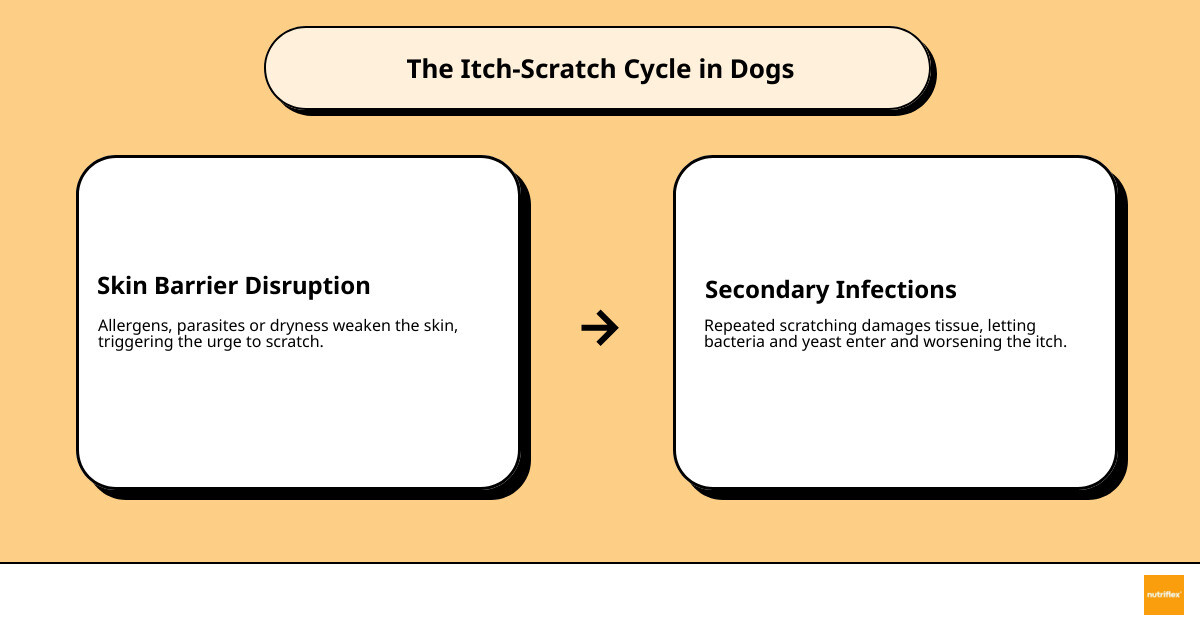
Persistent scratching is more than an irritation. It is a sign that something is disrupting your dog’s skin barrier. Left unmanaged, constant scratching can damage the skin, allowing bacteria and yeast to enter and cause secondary infections that are harder and more expensive to treat.
The good news is that many mild cases respond well to safe, accessible home remedies. This guide walks you through five practical changes you can make today, plus guidance on when to escalate to professional care.
I’m Sharon Milani, Director of SmartPack PTY Ltd and co-founder of NutriFlex®, South Africa’s first certified human-grade pet supplement range, and I’ve spent years working with animal food scientists and holistic veterinarians to understand how nutrition and supplementation can address the root causes behind an itchy dog remedy approach that goes beyond the surface. I’ll share what the evidence actually supports, and what you can safely try at home before reaching for the phone.
Similar topics to itchy dog remedy:
- dog seasonal skin allergy treatment
- dog skin allergy treatment natural
- homemade dog wash for itchy skin
Why Your Dog is Scratching and How to Choose an Itchy Dog Remedy
To choose the right itchy dog remedy, we must first understand why the scratching is happening. Canine pruritus is not a disease in itself but rather a symptom of an underlying issue. When a dog scratches, bites or licks excessively, they are reacting to inflammation on the surface of their skin.
The skin barrier is a delicate shield made of lipids and cells that keeps moisture in and pathogens out. When this barrier is compromised, moisture escapes, leading to dry skin, and environmental irritants easily penetrate the surface. This triggers a localized immune response, releasing histamines that cause the sensation of itching.
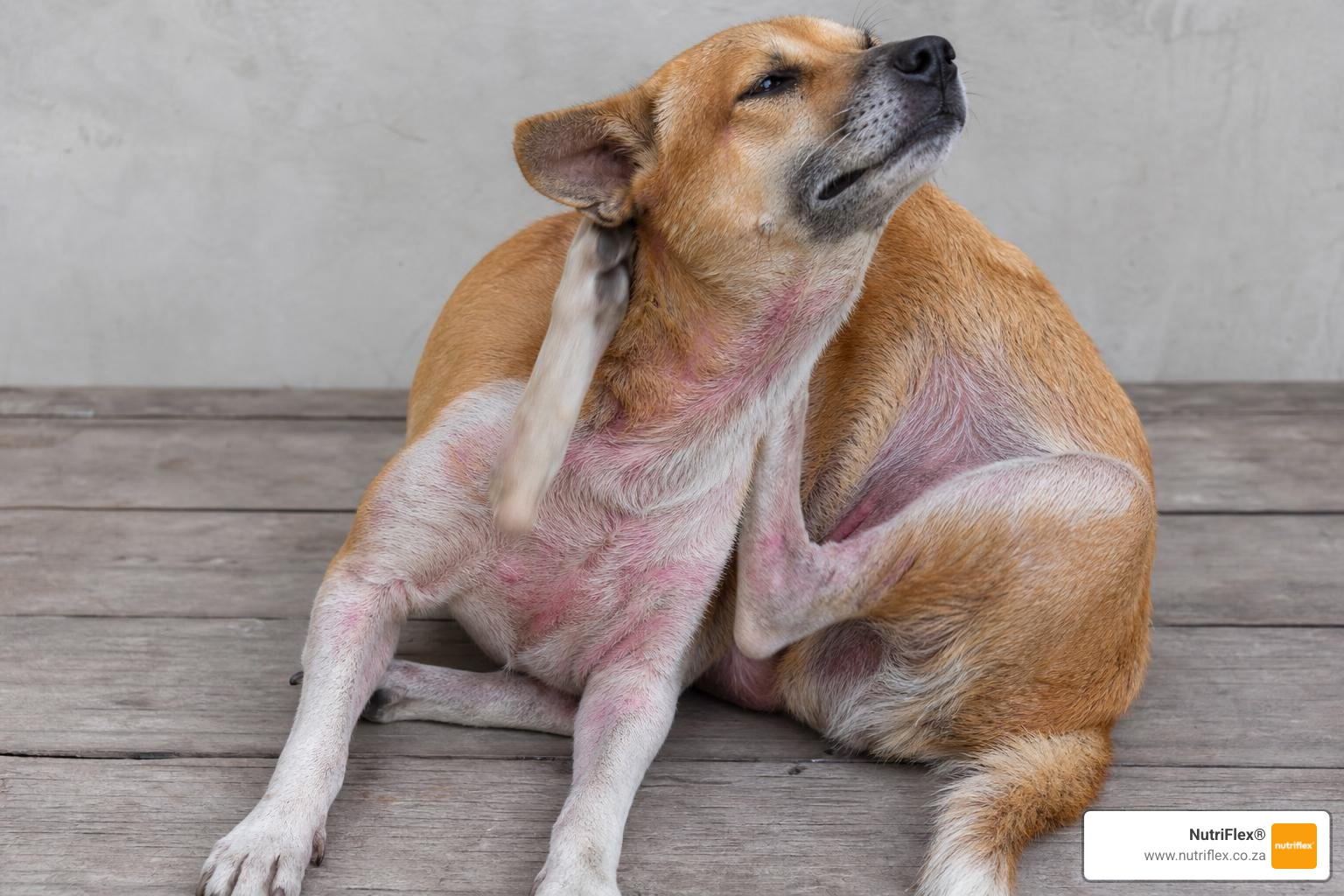
In South Africa, one of the most common causes of this disruption is Flea Allergy Dermatitis (FAD). Many pet owners assume that because they cannot see fleas, their dog cannot be suffering from a flea allergy. However, flea saliva is highly allergenic. A single bite from a single flea can trigger a massive, systemic itch response that lasts for days in an allergic dog. This intense response is why consistent, year-round parasite control is the foundation of any skin management routine.
Other common culprits include environmental allergies, food sensitivities, dry winter air and secondary bacterial or yeast infections. To find out more about how these factors interact, you can read the comprehensive guide Itchy Dog? Itch Relief for Dogs and When To Call Your Vet | PetMD which details how veterinarians approach the diagnosis of canine pruritus.
Identifying Allergies Versus Other Skin Conditions
Distinguishing between the various causes of itching is essential for selecting an effective itchy dog remedy.
- Atopic Dermatitis (Environmental Allergies): This is an inherited, chronic inflammatory skin disease. Dogs with atopy are hypersensitive to common environmental substances like pollens, moulds and dust mites. The itching typically affects the face, ears, paws, underarms and groin.
- Food Sensitivities: Unlike environmental allergies, food allergies are not seasonal. They often present as chronic, year-round itching, frequently accompanied by recurrent ear infections or mild digestive issues like loose stools. Paw chewing and licking are classic signs of food-related issues.
- Sarcoptic Mange: Caused by microscopic mites, sarcoptic mange (scabies) is highly contagious and causes intense, unrelenting itching. The skin quickly becomes red, crusty and devoid of hair, especially around the elbows, ears and hocks.
- Yeast Infections (Malassezia): Yeast is a normal inhabitant of canine skin, but it can multiply rapidly when the skin barrier is damaged by allergies. Yeast infections produce a characteristic sweet, musty odour, and the skin often becomes thickened, greasy and dark grey or black.
For a deeper dive into distinguishing these conditions, you can consult our detailed resource Help for Itchy Dogs: The Definitive Guide.
Common Environmental and Dietary Triggers
Environmental triggers vary by season and region. In South Africa, spring and summer bring high pollen counts from grasses and trees, while winter heating can dry out indoor air, stripping natural oils from your dog’s coat. Dust mites thrive in household carpets and bedding year-round, acting as a constant source of irritation for sensitive pets.
Dietary triggers are usually protein sources. Chicken, beef, dairy and wheat are among the most common allergens. When we suspect a food allergy, the gold standard for identification is an elimination diet trial. This involves feeding your dog a novel protein source (a protein they have never eaten before, such as venison or water buffalo) or a hydrolysed diet for at least eight weeks. During this trial, no other treats, table scraps or flavoured medications can be given. If the itching subsides, ingredients are slowly reintroduced to identify the exact culprit.
To explore natural approaches to managing these triggers, read Dog Itchy Skin Remedy Natural Solutions.
Five Safe and Effective Home Remedies for Dog Itching
When your dog is experiencing mild, uncomplicated itching, natural home remedies can provide excellent temporary relief. These topical treatments focus on restoring skin hydration, calming inflammation and supporting the skin’s natural healing processes without the use of harsh chemicals that can further irritate sensitive skin.
Using natural remedies can help break the itch-scratch cycle before secondary infections take hold. For more practical home care ideas, you can check out Homemade Remedies for Dog Skin Allergies to Save Your Sanity.
1. Colloidal Oatmeal Baths as a Natural Itchy Dog Remedy
Colloidal oatmeal is one of the most reliable and scientifically backed home remedies for canine pruritus. Unlike standard breakfast oats, colloidal oatmeal is oats ground into an extremely fine powder that remains suspended in water, allowing its active compounds to coat and protect the skin.
The therapeutic benefits of colloidal oatmeal stem from its unique chemical composition:
- Avenanthramides: These are potent antioxidant and anti-inflammatory compounds found exclusively in oats. They have been shown to inhibit the release of pro-inflammatory cytokines and histamines, directly reducing the sensation of itching.
- Beta-Glucans: These large sugar molecules absorb water and form a protective, hydrating film over the skin, helping to repair a damaged skin barrier.
- Saponins: These natural compounds provide a gentle cleansing action, lifting away dirt, dander and environmental allergens without stripping the skin’s natural oils.
- pH Buffering: Canine skin has a neutral pH range of approximately 5.5 to 7.5. Oatmeal helps maintain this natural balance, discouraging the growth of opportunistic bacteria and yeast.
To prepare a colloidal oatmeal bath at home, grind plain, unflavoured rolled oats in a blender or food processor for about 60 seconds until they reach the consistency of a very fine flour. Test the powder by stirring a tablespoon into a glass of warm water; if it dissolves easily and turns the water milky, it is ready.
Draw a bath of lukewarm water (about 37 to 38 degrees Celsius). Avoid hot water, as heat dilates blood vessels and increases histamine release, making the itching worse. Stir 100g to 200g of the oat powder into the water. Slowly soak your dog for 10 to 15 minutes, gently pouring the milky water over their back, belly and itchy patches. Rinse thoroughly with lukewarm water to remove any residue that might attract dirt, and pat dry gently with a soft towel rather than rubbing. Repeat once or twice weekly.
For a detailed step-by-step DIY guide, you can refer to Oatmeal Baths for Dogs with Itchy Skin: DIY Guide – Vetified .
2. Apple Cider Vinegar Sprays
Raw, unfiltered apple cider vinegar (ACV) is highly valued for its natural antiseptic, antibacterial and antifungal properties. The primary active component in ACV is acetic acid, which helps lower the skin’s pH, creating an inhospitable environment for yeast and bacteria to multiply. This makes it an excellent choice for dogs prone to yeast overgrowth on their paws or belly.
To make an anti-itch spray, mix equal parts organic apple cider vinegar and purified water (a 1:1 dilution ratio) in a clean spray bottle. Lightly mist the solution onto itchy areas, such as the paws or belly, and let it dry naturally.
Critical Safety Warning: Never apply apple cider vinegar to open wounds, raw skin, scratches or hot spots. The acetic acid will cause an intense stinging sensation that will distress your dog and worsen inflammation. If you notice any increased redness or discomfort, discontinue use immediately.
For instructions on creating other quick-acting topical mixtures, read How to Whip Up a Homemade Dog Anti-Itch Cream Fast.
3. Organic Coconut Oil Application
Extra virgin organic coconut oil is a popular topical treatment for dry, flaky skin and localized irritation. It is rich in medium-chain fatty acids, particularly lauric acid, which possesses natural antimicrobial and anti-inflammatory properties.
Topically, coconut oil acts as an emollient, filling in the gaps between damaged skin cells to lock in moisture and reinforce the skin barrier. It is particularly useful for soothing dry, cracked elbows, irritated paw pads and small patches of dry, itchy skin on the neck or flanks.
To apply, scoop a small amount of solid coconut oil into your hands and rub your palms together to melt it. Gently massage a thin layer into the affected areas. Because dogs love the taste of coconut oil, they may try to lick it off immediately. To prevent this, apply the oil just before mealtime or a walk to keep them distracted while it absorbs.
For more natural skin care tips, see 5 Natural Remedies to Help Your Itchy Dog – AKC Pet Insurance .
4. Chamomile and Green Tea Rinses
Chamomile and green tea contain natural compounds that are exceptionally soothing to irritated skin. Green tea is rich in polyphenols and epigallocatechin gallate (EGCG), which have powerful anti-inflammatory and antioxidant properties. Chamomile contains apigenin and bisabolol, which help calm skin spasms, reduce redness and ease allergic reactions. Both teas contain mild astringent compounds called tannins, which help dry out wet, weeping skin lesions such as hot spots.
To prepare a herbal soothing rinse, steep three to four organic chamomile or green tea bags in one litre of boiling water for 15 minutes. Remove the tea bags and allow the liquid to cool completely to room temperature. You can pour this cooled tea directly over your dog’s coat as a final rinse after a bath, or soak a clean washcloth in the tea and hold it gently against hot spots or red patches for 5 to 10 minutes.
To learn more about herbal rinses and other home care options, read Home Remedies for Itchy Dogs – Patton Veterinary Hospital .
5. Omega-3 Fatty Acids as a Long-Term Itchy Dog Remedy
While topical remedies offer immediate, temporary relief, managing chronic skin allergies requires addressing inflammation from the inside out. Omega-3 fatty acids, specifically eicosapentaenoic acid (EPA) and docosahexaenoic acid (DHA) derived from marine sources like wild-caught fish, are essential for long-term skin health.
EPA and DHA work at a cellular level by replacing arachidonic acid in cell membranes. This shifts the body’s inflammatory pathway, reducing the production of highly inflammatory chemicals and promoting the synthesis of less inflammatory compounds. Over time, consistent omega-3 supplementation helps repair the skin barrier, reduces overall itchiness and improves coat quality.
When selecting an omega-3 supplement, look for high-quality, sustainably sourced fish oil with clear concentrations of EPA and DHA. It is important to consult your veterinarian to determine the correct daily dose for your dog’s specific weight, as therapeutic doses for skin issues are often higher than standard maintenance doses.
For more information on nutritional support for allergies, see Stop the Itch with These Home Dog Allergy Remedies.
Treatments to Avoid and When to Consult a South African Veterinarian
While natural home remedies can be incredibly helpful, certain popular internet remedies can be dangerous for your dog.
- Essential Oils: Many essential oils, including tea tree, pennyroyal and wintergreen, are highly toxic to dogs if ingested or absorbed through the skin. Even diluted tea tree oil can cause severe neurological depression, tremors and salivation if licked.
- Human Anti-Itch Creams: Never apply human hydrocortisone, calamine lotion or zinc oxide creams to your dog. If licked and swallowed, these products can cause severe gastrointestinal distress, zinc toxicity or hormonal disruptions.
- Undiluted Vinegar: As mentioned, applying undiluted apple cider vinegar or white vinegar to irritated skin causes severe pain and chemical irritation.
Knowing when to stop home remedies and seek professional veterinary care is vital for your dog’s welfare.

You should schedule an appointment with your veterinarian if you notice any of the following signs:
- Open Sores or Hot Spots: Moist, red, weeping raw patches that develop rapidly.
- Severe Hair Loss (Alopecia): Large bald patches or thinning fur across the body.
- Signs of Secondary Infection: Pus, yellow crusts, pimples or a strong, foul yeast odour.
- Thickened, Darkened Skin: Leathery skin (lichenisation) indicating chronic, untreated inflammation.
- Intense, Unremitting Scratching: A dog that cannot sleep, play or eat without stopping to scratch.
- Lethargy or Loss of Appetite: Signs that the discomfort is causing systemic distress.
A veterinarian can perform diagnostic tests, such as skin scrapings and cytology, to identify the exact pathogens involved. They can also prescribe targeted treatments, such as medicated shampoos containing pramoxine hydrochloride for rapid topical relief. To learn more about veterinary options and medicated shampoos, you can explore the product details for Pramoxine Anti-Itch Shampoo and the matching Pramoxine Anti-Itch Creme Rinse With 1% Pramoxine Hydrochloride .
For further guidance on identifying severe symptoms, see Best Natural Home Remedies for Itchy Dogs & Skin Allergy Relief .
Preventative Measures to Stop Future Skin Flare-Ups
The most effective way to manage skin allergies is to prevent flare-ups before they start. This requires a consistent, multi-layered approach to environmental hygiene, parasite control and nutritional support.
- Year-Round Parasite Control: Use a high-quality, vet-approved flea and tick preventative every month without fail. In South Africa’s warm climate, fleas remain active throughout the year.
- Regular Grooming: Brush your dog daily to remove loose fur, dander and trapped outdoor allergens. Wipe their paws and belly with a damp cloth after walks to remove pollen and dust.
- Wash Bedding Weekly: Wash your dog’s bedding, blankets and soft toys weekly in hot water (at least 60 degrees Celsius) using a hypoallergenic, fragrance-free detergent to eliminate dust mites.
- Vacuum Regularly: Vacuum carpets, rugs and upholstery frequently to reduce indoor allergen loads.
Comparing Seasonal and Food Allergy Prevention
| Feature | Seasonal Allergies (Atopy) | Food Allergies |
|---|---|---|
| Primary Cause | Airborne pollens, grasses and dust mites | Hypersensitivity to dietary proteins (e.g. chicken) |
| Symptom Pattern | Often worse in spring and summer | Consistent year-round itching |
| Primary Prevention | Paw wiping, regular bathing and air filtration | Strict elimination diet and novel protein sources |
| Long-Term Support | Omega-3 fatty acids and skin barrier supplements | Hypoallergenic diet and gut health support |
To explore more preventative strategies, you can browse the resources in our dedicated Category: Allergies and Itchy Skin.
Frequently Asked Questions About Dog Skin Relief
Can I use human anti-itch cream on my dog?
No, you should never use human anti-itch creams, such as hydrocortisone or calamine lotion, on your dog unless explicitly directed by your veterinarian. Dogs naturally lick their skin, and ingesting these creams can lead to serious health complications. Ingredients like zinc oxide can cause severe toxicity, while hydrocortisone can disrupt their delicate endocrine system.
How often can I give my dog an oatmeal bath?
For a dog with mild, itchy skin, an oatmeal bath once or twice a week is generally safe and highly effective. Because colloidal oatmeal is natural and gentle, it does not strip the skin’s natural oils. However, if your dog’s skin seems drier after bathing, reduce the frequency and ensure the water temperature is lukewarm, not hot.
Why does my dog chew their paws constantly?
Constant paw chewing is a classic sign of environmental allergies (atopic dermatitis) or food sensitivities. When a dog walks through grass, allergens cling to their paws, triggering local inflammation. The warm, moist spaces between their toes also provide an ideal breeding ground for secondary yeast infections, which cause intense itching and lead to chronic chewing.
Conclusion
Managing an itchy dog requires patience, consistency and a proactive approach to overall wellness. While gentle topical solutions like colloidal oatmeal baths and cooled herbal rinses provide wonderful temporary relief, true long-term comfort comes from supporting your dog’s immune system and skin health from within.
At NutriFlex®, we specialise in science-aligned, nutrition-first supplementation designed to support skin health, immune resilience and digestive balance. Produced in our certified human-grade facility in Cape Town, our Act 36 registered supplements prioritize functional, high-quality ingredients over cosmetic additives.
To support your dog’s natural defences against environmental allergens and soothe irritated skin, explore our targeted Allermax Allergy Itch Relief for Pets or browse our full range of preventative health solutions in our Product Category: Allergy and Itch. Let us help you restore your dog’s skin health so they can get back to enjoying a happy, itch-free life.