
The Best Probiotics for Pitbulls: What Every Owner Should Know
The best probiotic for pitbulls contains multiple proven strains, at least 1–10 billion CFUs per serving, and is formulated specifically for dogs — not humans.
Here are the top options to look for:
- Multi-strain synbiotic formulas – combine probiotics + prebiotics for longer-lasting gut support
- Lactobacillus acidophilus – supports digestion and reduces gut inflammation
- Bifidobacterium animalis AHC7 – clinically shown to shorten diarrhea episodes in dogs
- Enterococcus faecium – one of the most studied strains for canine gut health
- Bifidobacterium longum BL999 – linked to reduced anxiety and skin lesion scores in dogs
Pitbulls are one of the most allergy-prone breeds around. Their short, thin coats offer little protection against environmental triggers like pollen, dust mites, and mold. Add a genetic predisposition to skin sensitivity, and you’ve got a breed that needs extra gut support — not just skin care.
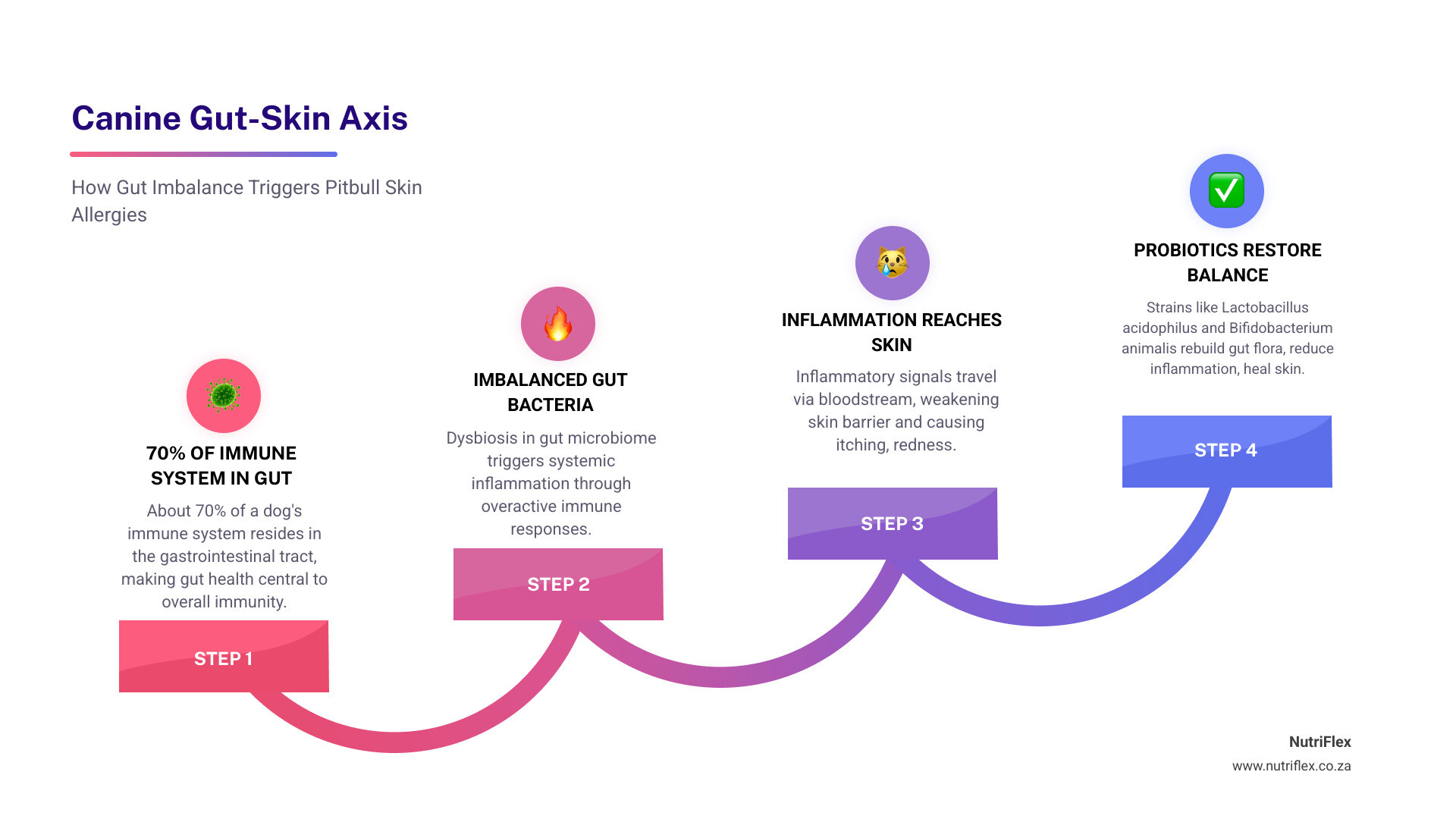
Here’s why that matters: about 70% of a dog’s immune system lives in the gastrointestinal tract. When the gut is out of balance, it shows up on the skin. This connection — known as the gut-skin axis — means that what’s happening inside your Pitbull’s belly directly affects the itching, redness, and irritation you see on the outside.
The good news? The right probiotic can help address both problems at the source.
Why Pitbulls Need Targeted Gut Support
If you’ve ever shared your home with a Pitbull, you know they are essentially muscular “velcro dogs” with a heart of gold—and unfortunately, often a stomach of glass. This breed is genetically predisposed to several health hurdles that make gut health a priority rather than an afterthought.
First, let’s talk about that signature coat. Pitbulls have short, thin hair and very little undercoat. While this makes them look sleek, it provides minimal protection against environmental allergens. Pollen, dust mites, and mold spores can easily penetrate their skin barrier. When these allergens trigger an immune response, the body often overreacts, leading to the red, itchy paws and belly we know all too well.
This is where the link between gut health and skin health in dogs becomes vital. The gut-skin axis is a two-way communication system. A healthy gut microbiome helps regulate the immune system, preventing it from going into “overdrive” when it encounters a blade of grass or a speck of dust. By optimising digestive health with probiotics, we can actually help strengthen the skin barrier from the inside out.
Furthermore, Pitbulls are prone to breed-specific inflammation. Whether it’s food sensitivities or seasonal allergies, their bodies are often in a state of high alert. Since about 70% of a dog’s immune system is their gastrointestinal tract, a balanced gut acts as the “control center” for this inflammation. Probiotics help crowd out harmful pathogens like Salmonella and produce short-chain fatty acids that nourish the intestinal lining, reducing the systemic inflammation that leads to skin flare-ups.
Choosing the Best Probiotic for Pitbulls
Not all bacteria are created equal. When you’re shopping for the best probiotic for pitbulls, you need to look past the marketing and dive into the specifications. Here are the three pillars of a high-quality canine probiotic:
- CFU Count (Colony Forming Units): This tells you how many live, active bacteria are in each serving. For a medium-to-large, active breed like a Pitbull, the current recommendation is between 1 and 10 billion CFUs per day. Anything less might not survive the journey through the stomach’s harsh acidic environment.
- Strain Diversity: A single strain is rarely enough. Look for a blend of several different types of bacteria (like Lactobacillus and Bifidobacterium) to ensure comprehensive coverage for both the small and large intestines.
- Stability and Purity: Probiotics are living organisms. They are sensitive to heat and moisture. Look for products that offer a live culture guarantee until the expiration date, ideally with the NASC (National Animal Supplement Council) seal of approval.
Comparing Delivery Forms
| Form | Best For | Pros | Cons |
|---|---|---|---|
| Powder | Picky Eaters | High stability, easy to mix with wet food, highly concentrated. | Can be messy if used with dry kibble alone. |
| Soft Chews | On-the-Go | Palatable (tastes like a treat), no measuring required. | Often contain more fillers and binders. |
| Capsules | Targeted Dosing | Protects bacteria from stomach acid; can be opened and sprinkled. | Some dogs are “pill ninjas” and will spit them out. |
To make your search easier, we have compiled a guide on the best dog probiotics to help you navigate these choices. We generally recommend powders for Pitbulls because they allow for precise dosing and typically contain fewer artificial fillers that could trigger food allergies.
It is also beneficial to look for “synbiotics”—a combination of prebiotics and probiotics for dogs. Prebiotics (like inulin or FOS) act as the “food” for the probiotic bacteria, helping them colonize the gut more effectively.
Effective Strains for Skin and Digestion
When reading the label, look for these “superstar” strains that have been backed by scientific research on probiotic strains for atopic dermatitis and gut health:
- Lactobacillus acidophilus: The “workhorse” of probiotics. It helps balance the gut pH and fights off bad bacteria.
- Bifidobacterium animalis AHC7: A 2009 study showed this strain can reduce the duration of diarrhea from seven days down to four.
- Enterococcus faecium: Specifically proven to decrease the incidence of diarrhea in high-stress environments like shelters.
- Bacillus coagulans: A spore-forming probiotic that is incredibly hardy, surviving stomach acid better than many other strains.
- Bifidobacterium longum BL999: Known for supporting the gut-brain axis, helping to reduce anxiety-related behaviors (like pacing or spinning) and improving skin health.
Identifying the Best Probiotic for Pitbulls with Skin Allergies
For Pitbulls struggling with chronic itching, one strain stands out: Lactobacillus sakei probio-65. Research has shown that administering this strain for two months can significantly reduce the severity of canine atopic dermatitis.
By reducing IgE antibodies (the ones responsible for allergic reactions) and strengthening the skin barrier, products like our Floramax probiotic for dogs and cats target the root cause of the itch. This leads to a visible reduction in redness and a happier, more comfortable dog.
Top Recommended Probiotic Solutions for Your Pitbull
When selecting a supplement for your Pitbull, we believe in a holistic approach. While a standard probiotic is great for maintenance, many Pitbulls benefit from “extra strength” support, especially if they have a history of antibiotic use or chronic tummy troubles.
Our Digestimax extra strength probiotics are formulated to be a complete synbiotic solution. By combining multiple probiotic strains with prebiotics and digestive enzymes, these formulas do more than just balance bacteria—they improve nutrient absorption. This is crucial for Pitbulls, who need high-quality protein and fats to maintain their athletic muscle mass and healthy skin.
You can explore our full range of dog probiotics to find the right fit for your pup’s specific life stage and health needs.
Best Probiotic for Pitbulls with Sensitive Stomachs
Does your Pitbull suffer from “room-clearing” gas or inconsistent stools? You aren’t alone. Stress, diet changes, or even a quick snack from the trash can disrupt the delicate balance of their gut.
Scientific research on probiotics and antibiotic-associated diarrhea has confirmed that dogs given a probiotic blend alongside antibiotics have significantly fewer digestive issues, such as vomiting and loss of appetite. If your dog is currently on medication or prone to stress-upset, a probiotic is a non-negotiable.
For sensitive stomachs, we also recommend looking for ingredients like pumpkin. While pumpkin itself isn’t a probiotic, it is rich in fiber and prebiotics that provide the perfect environment for “good” bacteria to thrive.
Administration, Dosage, and Safety Guidelines
Giving your Pitbull their daily dose of “good bugs” doesn’t have to be a struggle. Most Pitbulls are highly food-motivated, which makes administration easy.
- Dosage by Weight: The general rule of thumb is that dogs over 40 pounds (which includes most adult Pitbulls) require a higher dosage range, typically 5-10 billion CFUs. Always follow the specific instructions on the product label.
- Consistency is Key: Probiotics work best when they are a part of a daily routine. Try to administer them at the same time every day to keep the gut colony stable.
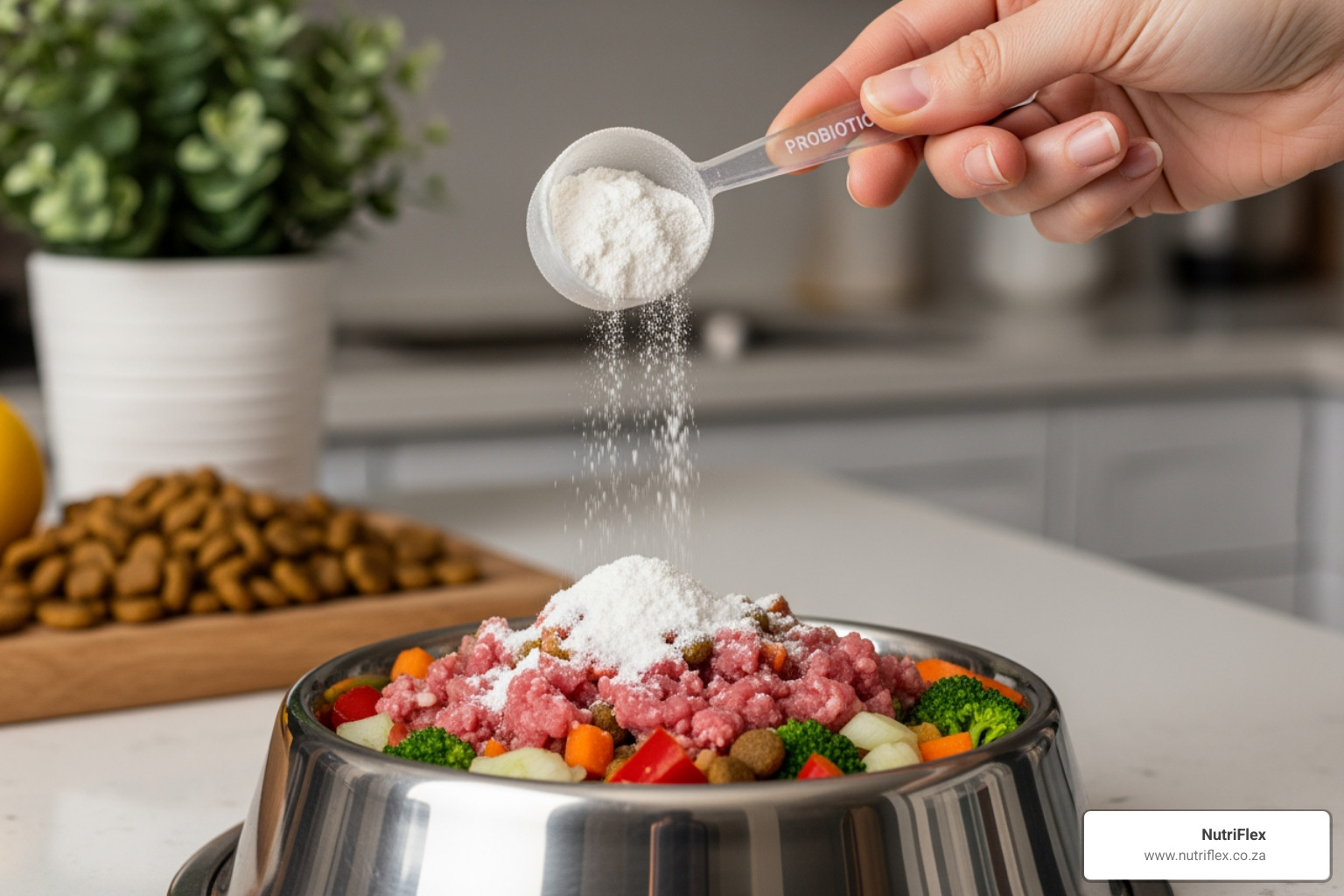
- Mixing Methods: If you use a powder, mix it with a little wet food, plain yogurt (if they tolerate dairy), or even a bit of warm water to create a “gravy” over their kibble.
If you have a young pup, keep an eye out for signs your puppy needs digestive support, such as frequent loose stools or a dull coat. Starting probiotics early can help set the foundation for a lifetime of strong immunity.
Timeline for Results
While some acute issues (like diarrhea) may show improvement within 48 to 72 hours, chronic skin allergies require patience. It typically takes 2 to 4 weeks of consistent supplementation to see a noticeable difference in skin redness and itching, as this allows time for the microbiome to rebalance and the skin cells to turn over.
Potential Side Effects and Vet Consultation
Probiotics are generally extremely safe, but as with any supplement, some dogs may experience a brief adjustment period.
- Temporary Gas or Bloating: As the “good” bacteria move in and the “bad” bacteria move out, your dog might be a bit gassy for the first few days. This usually resolves quickly.
- Stool Changes: You might notice slightly softer or more frequent stools initially.
- When to Call the Vet: If your dog develops persistent vomiting, severe diarrhea, or seems lethargic, stop the supplement and consult your veterinarian.
It is particularly important to consult a vet before giving probiotics to a dog that is severely immunocompromised or has an underlying serious illness. To avoid wasting money on ineffective probiotics, always ensure you are using a high-quality, vet-approved formula rather than a generic human supplement.
Frequently Asked Questions about Pitbull Probiotics
Can I give my Pitbull human probiotics like yogurt or Yakult?
While a dollop of plain, unsweetened yogurt or kefir can be a tasty treat and provides some beneficial bacteria, it isn’t a replacement for a canine-specific supplement. Many dogs are lactose intolerant, and human products often don’t contain enough CFUs to make a therapeutic difference.
Crucial Warning: Never give your dog any human product containing Xylitol (a common sweetener), as it is highly toxic to dogs. Additionally, research on canine-specific probiotic transit suggests that strains specifically isolated from the canine gut are more likely to survive and colonize successfully than those designed for humans.
How long does it take to see skin and gut improvements?
For gut issues like diarrhea, you may see a change in 2-4 days. For skin allergies and immune support, it’s a marathon, not a sprint. Expect to wait about 30 days for full colonization and a visible improvement in coat quality and itch reduction.
Are there breed-specific considerations for Pitbulls?
Yes! Because Pitbulls are high-energy, athletic dogs with significant muscle mass, they have high metabolic demands. Their tendency toward environmental allergies and skin fold dermatitis means that maintaining a healthy gut and digestive system is perhaps more critical for them than for many other breeds.
Conclusion
At NutriFlex, we are passionate about helping your Pitbull live their best, most “pawsome” life. Based in Cape Town, we produce premium, vet-approved natural supplements that meet human-grade standards. Our probiotics are 100% pure, containing no synthetic fillers or hidden nasties—just the high-quality ingredients your dog needs to thrive.
Ready to support your Pitbull’s gut health? Explore our range of probiotics today and see the difference a balanced microbiome can make!
