
Why Natural Anxiety Relief for Dogs Matters More Than You Think
Natural anxiety relief dogs need starts with understanding that canine anxiety is common, treatable and manageable without immediately reaching for prescription medication.
Quick answer: the most effective natural methods for calming an anxious dog include:
- Exercise – a tired dog is a calmer dog; physical activity burns off stress hormones
- Mental stimulation – puzzle feeders, scent work and training engage the brain and reduce restlessness
- Consistent routine – predictable feeding, walking and sleep schedules reduce uncertainty-driven stress
- Calming supplements – ingredients like L-Theanine, Magnesium, L-Tryptophan and Melatonin support the nervous system without sedation
- Pressure garments – products like Thundershirts provide constant gentle pressure similar to swaddling
- Pheromone products – synthetic calming pheromones mimic natural signals that dogs recognise
- Environmental management – white noise, classical music and a designated safe space reduce exposure to triggers
- Calm departures and returns – low-key exits and greetings prevent reinforcing fear of separation
Separation anxiety is the most common source of stress in dogs. But thunderstorms, fireworks, car rides and vet visits are not far behind. If you have ever come home to a chewed sofa, a dog pacing in circles or one that follows you from room to room refusing to settle, you already know how distressing this can be for both of you.
The good news is that most cases of canine anxiety respond well to a combination of lifestyle changes, behavioural training and targeted nutritional support. Prescription medication exists and has its place, but it is rarely the first or only answer.
I’m Sharon Milani, Director of SmartPack PTY Ltd and co-founder of NutriFlex®, South Africa’s first certified human-grade pet supplement range, and my work formulating functional supplements for dogs has given me a deep appreciation for how targeted nutrition can contribute meaningfully to natural anxiety relief for dogs. The sections below walk you through a practical, evidence-informed approach to helping your dog find calm.
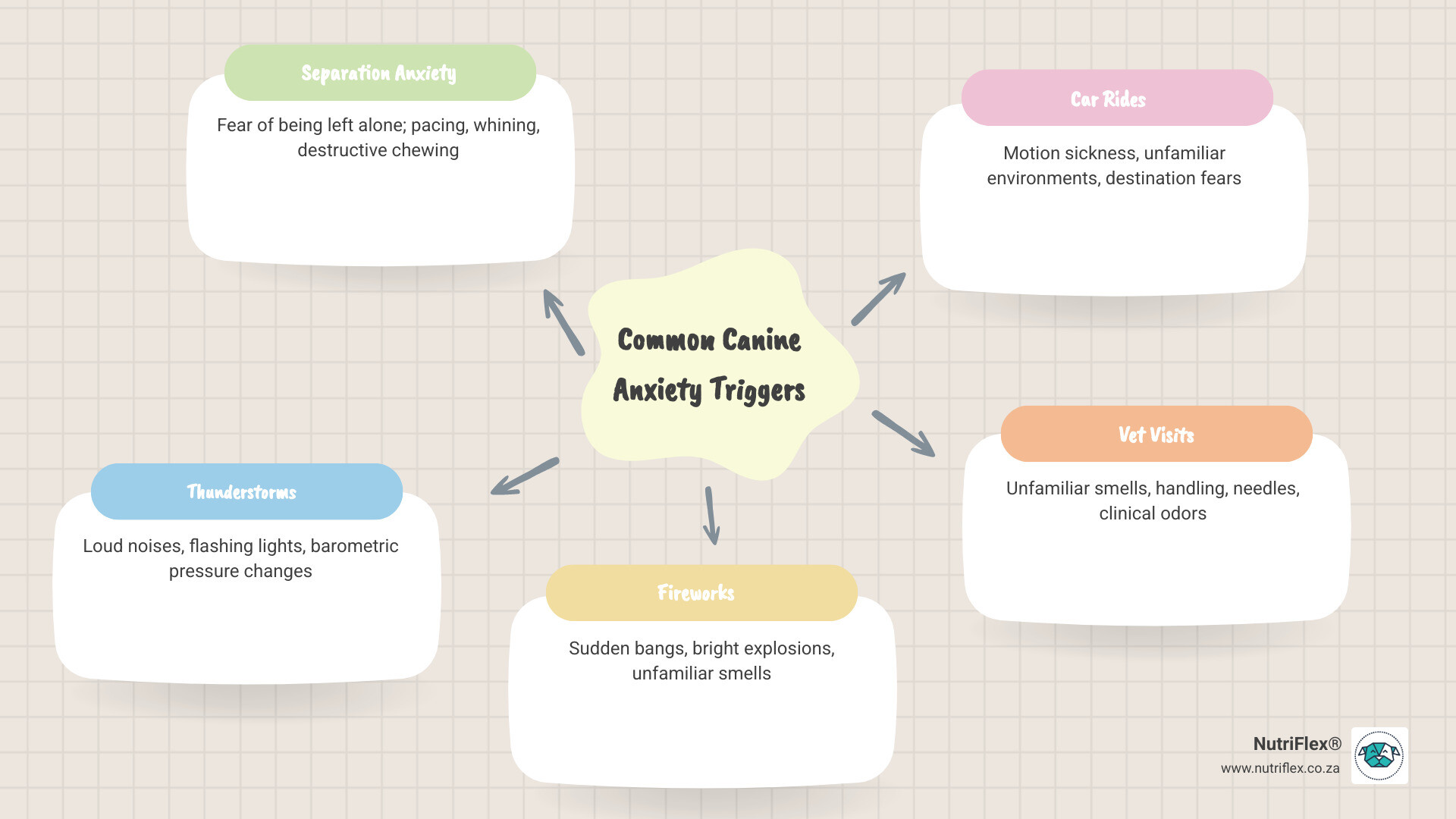
Natural anxiety relief dogs basics:
Understanding Canine Anxiety and Its Symptoms
To provide effective natural anxiety relief dogs can actually benefit from, we must first learn to speak their language. Anxiety in dogs is not just a “bad mood” or “naughty behaviour” — it is a physiological state where the nervous system is stuck in a fight-or-flight response. When a dog feels threatened, their body releases cortisol and adrenaline, leading to visible distress.
Common symptoms of anxiety include:
- Pacing and restlessness: Moving aimlessly back and forth, unable to settle down.
- Excessive barking or whining: High-pitched vocalisation often directed at doors or windows.
- Destructive chewing: Focusing on door frames, skirting boards or personal items like shoes.
- Panting and drooling: Even when the temperature is cool and they haven’t exercised.
- Trembling: Visible shaking, especially during loud noises or when you prepare to leave.
Understanding the “why” behind these actions is crucial. For instance, Why Do Pets Experience Separation Anxiety often relates to a lack of confidence or a hyper-attachment to a specific person. Similarly, Why Do Pets Fear Fireworks is linked to their acute sense of hearing and the unpredictable nature of the noise.
Identifying Separation Anxiety Versus Normal Behaviour
It is easy to mistake a bored dog for an anxious one. A bored dog might chew a shoe because it is there and it tastes interesting. An anxious dog chews the door frame because they are trying to escape to find you.
Look for these specific physiological signs of true anxiety:
- Whale eye: When a dog shows the whites of their eyes while turning their head away.
- Lip licking: Frequent flicking of the tongue when no food is present.
- House accidents: Urinating or defecating indoors only when left alone, despite being house-trained.
- Escape attempts: Scratched paws or broken nails from trying to dig through doors or crates.
- Hyper-vigilance: Constantly watching your every move to see if you are reaching for your keys or putting on shoes.
If your dog displays these signs, they aren’t trying to be “spiteful” about you leaving. They are experiencing a genuine panic attack. Punishing a dog for these behaviours will only increase their stress levels and worsen the condition.
Lifestyle Adjustments for Natural Anxiety Relief Dogs
One of the most powerful tools for natural anxiety relief dogs have at their disposal is a structured lifestyle. In our busy South African lives, especially with the added stress of load shedding and changing schedules, dogs can become unmoored.
Physical exercise is the foundation of a calm mind. A long walk or a vigorous game of fetch helps metabolise excess stress hormones. However, for many high-energy breeds, physical exercise alone isn’t enough. They need a “job” to do.
Mental stimulation is often more tiring than a run. Because a dog’s nose is thousands of times more sensitive than ours, scent work is an incredible way to provide natural anxiety relief dogs crave. Hiding kibble around the garden or using puzzle feeders forces them to focus, which naturally lowers their heart rate. Research shows that How Your Dog Can Relieve Your Anxiety works both ways — when we engage in calm play with our pets, both species experience a drop in cortisol.
Integrating Training with Natural Anxiety Relief Dogs
Training is not just about “sit” and “stay”; it is about building a dog’s confidence.
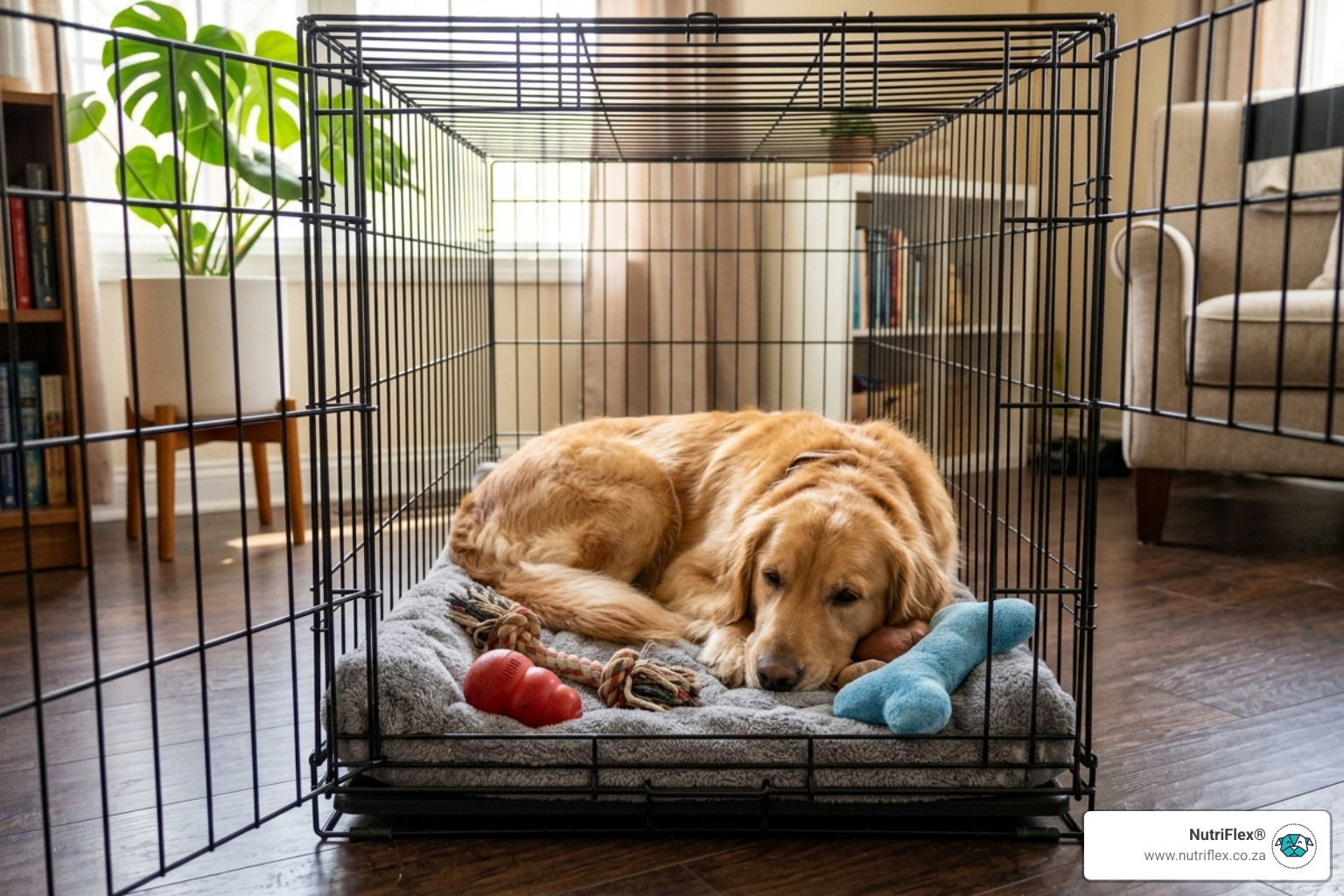
Crate Training When done correctly, a crate becomes a “den” — a safe sanctuary where the dog feels protected. It should never be used for punishment. Make the crate inviting with a comfortable bed, a piece of clothing that smells like you and a long-lasting treat like a frozen stuffed toy.
Independence Building Teach your dog that they don’t need to be in the same room as you at all times. Practice the “stay” command while you move into another room for a few seconds, then return and reward them for staying calm. Gradually increase the duration of your absence.
Desensitisation and Counterconditioning This involves identifying the “triggers” that signal your departure (like picking up car keys or putting on a jacket) and performing them without actually leaving. Pick up your keys, sit on the sofa and watch TV. Put on your coat and make a cup of tea. By doing this, you break the association between these cues and the panic of you leaving.
Establishing Routines and Downplaying Departures
Dogs thrive on predictability. Establishing a consistent schedule for meals, walks and sleep provides a sense of security. If a dog knows exactly when their needs will be met, they are less likely to spend the day in a state of high alert.
One of the biggest mistakes owners make is having long, emotional goodbyes or high-energy, excited greetings. When you leave, do it calmly and without fuss. When you return, ignore your dog for the first few minutes until they are in a relaxed state. Only then should you greet them calmly. This teaches the dog that your departures and arrivals are non-events, not something to be feared or over-celebrated.
Evidence-Based Supplements for Natural Anxiety Relief Dogs
While lifestyle and training are essential, some dogs require extra support to lower their baseline stress levels so they can actually learn during training sessions. This is where high-quality supplements come into play.
At NutriFlex®, we focus on science-aligned ingredients that support the nervous system. For instance, Relaxmax High Strength Calming For Dogs is formulated to help dogs manage stress during thunderstorms, fireworks or travel without the heavy sedation often associated with pharmaceutical drugs.
Key ingredients to look for in Calming And Stress Relief supplements include:
- L-Theanine: An amino acid found in green tea that promotes the production of alpha brain waves. This leads to a state of “relaxed alertness” rather than drowsiness.
- Magnesium: Often called “nature’s relaxant”, magnesium regulates the nervous system by acting as a gatekeeper for NMDA receptors. Stress depletes magnesium, creating a cycle where the dog becomes more reactive.
Choosing the Right Ingredients for Natural Anxiety Relief Dogs
When selecting a supplement, it is important to understand how different ingredients work together. A multi-ingredient approach often provides better results because it addresses anxiety from multiple pathways.
- L-Tryptophan: This is the precursor to serotonin, the “feel-good” hormone. Supplementing with L-Tryptophan can help stabilise mood and improve sleep quality.
- B Vitamins: Specifically B6, B9 and B12 are crucial cofactors for producing neurotransmitters. Without sufficient B vitamins, the brain cannot effectively process the calming signals it receives.
- Melatonin: Useful for dogs with noise phobias or those who struggle with nighttime restlessness. It helps regulate the circadian rhythm and provides a gentle sedative effect.
- Casein: A protein derived from milk that has been shown to induce relaxation in pets, similar to the calming effect seen in nursing puppies.
The efficacy of these natural approaches is backed by science. For example, Scientific research on dog-assisted intervention highlights how the presence of a calm animal can lower heart rates and blood pressure — a biological reality that applies to the dogs themselves when their internal chemistry is balanced.
[TABLE] Comparing Natural Calming Ingredients
| Ingredient | Mechanism of Action | Best Use Case |
|---|---|---|
| L-Theanine | Increases alpha brain waves and dopamine | Situational stress (vet visits, travel) |
| Magnesium | Regulates NMDA receptors; relaxes muscles | General “wired” or hyper-reactive dogs |
| L-Tryptophan | Precursor to serotonin (the “happy” hormone) | Long-term separation anxiety support |
| Melatonin | Regulates sleep-wake cycle | Nighttime anxiety and fireworks |
| Valerian Root | Increases GABA availability in the brain | Severe noise phobias or acute panic |
| Chamomile | Binds to brain receptors like a mild sedative | General fretfulness and digestive upset |
Calming Aids and Environmental Management
Beyond what goes into your dog’s body, you can also modify their environment to provide natural anxiety relief dogs need during high-stress events.
Pressure Garments Products like Thundershirts work on the principle of “maintained pressure”. Similar to how swaddling calms a baby or a weighted blanket helps an anxious human, the gentle pressure of the vest releases endorphins. This is particularly effective for dogs who tremble during thunderstorms or fireworks.
Pheromones Synthetic versions of the “dog appeasing pheromone” (DAP) mimic the scent released by a mother dog to calm her puppies. These are available as diffusers, sprays or collars. While we cannot smell them, dogs detect these signals and feel a sense of safety and belonging.
Auditory Support Sound masking is a simple but effective tool. Playing classical music (specifically Bach or Beethoven) or white noise can drown out the “boom” of fireworks or the rumble of thunder. There are even curated playlists designed specifically for canine hearing frequencies.
Aromatherapy and Massage Techniques
A dog’s sense of smell is their primary way of experiencing the world. Aromatherapy can be a powerful tool for relaxation, provided it is used safely.
- Lavender Oil: Known for its calming properties. Always use a high-quality, therapeutic-grade oil and never apply it directly to the dog’s skin or fur. Instead, use a diffuser or place a drop on a bandana that the dog wears.
- Tactile Stimulation: Massage is not just for humans. Gentle, long strokes along the dog’s body can lower their heart rate and yours. Focus on the base of the skull, the ears and the paws.
- Grooming: Regular brushing sessions are an excellent bonding activity. The rhythmic motion of grooming releases oxytocin in both the dog and the owner, creating a “feedback loop” of calm.
When to Consult a Veterinarian
While we advocate for natural anxiety relief for dogs, we must also recognise when a situation requires professional medical intervention. Natural remedies are highly effective for mild to moderate anxiety, but severe cases may need a combined approach.
Consult a veterinarian if your dog:
- Self-mutilates: Chewing their own skin raw or obsessive licking that leads to sores.
- Displays extreme aggression: If their fear turns into defensive biting or lunging.
- Is in a state of constant panic: If they cannot eat, sleep or settle for more than a few minutes a day.
- Has a sudden change in behaviour: Sudden anxiety in an older dog can be a sign of pain or cognitive decline.
As noted in 10 Ways to Calm Your Dog Naturally – PetMD, a vet can rule out underlying medical issues like thyroid imbalances or chronic pain that might be masquerading as anxiety. In some cases, short-term prescription medication is used to “lower the volume” of the dog’s panic so that behavioural training and natural supplements can begin to work.
Frequently Asked Questions about Canine Anxiety
Can I give my dog Benadryl to calm them down?
While diphenhydramine (Benadryl) is an antihistamine with mild sedative side effects, it is not a true anti-anxiety medication. It may make your dog drowsy, but it does not address the underlying fear or panic. Furthermore, some formulations contain xylitol (an artificial sweetener) which is highly toxic to dogs. Always consult your vet before using any human over-the-counter medication.
Are high-energy breeds more prone to anxiety?
Yes, certain breeds like Border Collies, Australian Shepherds and German Shepherds are more prone to anxiety if their physical and mental needs are not met. These “working” breeds have a high “drive” and a nervous system that is hard-wired to be alert. Without a proper outlet for that energy, it often manifests as hyper-vigilance or separation anxiety.
Can natural remedies fully replace prescription medication?
In many mild to moderate cases, yes. A combination of high-quality supplements like Relaxmax, rigorous exercise and consistent training can manage anxiety effectively. However, for dogs with severe, debilitating phobias, natural remedies are best used as a supportive tool alongside a vet-managed treatment plan.
Conclusion
Helping an anxious dog is a journey, not a quick fix. It requires patience, empathy and a willingness to look at the world from your dog’s perspective. By combining lifestyle changes, positive reinforcement training and premium, science-aligned supplements, you can help your “Zen Dog” find their inner calm.
At NutriFlex®, we are committed to the health and happiness of South African pets. Our supplements are produced in a certified human-grade facility in Cape Town, ensuring that your dog receives only the highest quality functional nutrition. Whether you are dealing with the occasional thunderstorm or daily separation stress, we are here to support you with More info about calming and stress relief supplements that truly make a difference.
Every step you take towards reducing your dog’s stress is a step towards a stronger, more joyful bond. Start small, be consistent and celebrate the quiet moments.