
Your Dog’s Seasonal Itch Is a Real Medical Condition – Here’s What to Do
Dog seasonal skin allergy treatment is something thousands of South African pet owners search for every spring and autumn, when their dogs suddenly start scratching, licking and rubbing with no obvious cause.
Quick answer: the most effective dog seasonal skin allergy treatments include:
- Prescription medication such as monoclonal antibody injections (lasting 4 to 8 weeks) or daily JAK inhibitor tablets
- Medicated baths with appropriate shampoo, at least weekly, with a 10-minute contact time
- Environmental controls such as wiping paws after walks, washing bedding in hot water and vacuuming frequently
- Nutritional support including omega-3 fatty acids to strengthen the skin barrier
- Immunotherapy (allergy shots or desensitisation drops) for long-term immune modulation in severe cases
- Secondary infection management to treat any bacterial or yeast complications early
Unlike humans, dogs rarely sneeze or develop a runny nose from seasonal allergens. Instead, the reaction shows up in their skin and ears – persistent itching, red paws, recurring ear infections and inflamed patches that seem to follow the seasons.
Around 10 to 15% of dogs suffer from allergic skin disease. While not all cases are strictly seasonal, pollen, mould spores and dust mites are common triggers that peak at specific times of year. In South Africa, warm and dry climates with high environmental pollen loads mean this is a year-round concern for many owners.
The good news is that with the right approach, most dogs can be kept comfortable.
I’m Sharon Milani, Director of NutriFlex® and co-founder of South Africa’s first certified human-grade pet supplement range, and my work developing nutritional solutions for dogs has given me first-hand insight into how diet and targeted supplementation can meaningfully support dog seasonal skin allergy treatment alongside veterinary care. Read on for a practical, evidence-aligned guide to identifying, managing and preventing seasonal skin flare-ups in your dog.
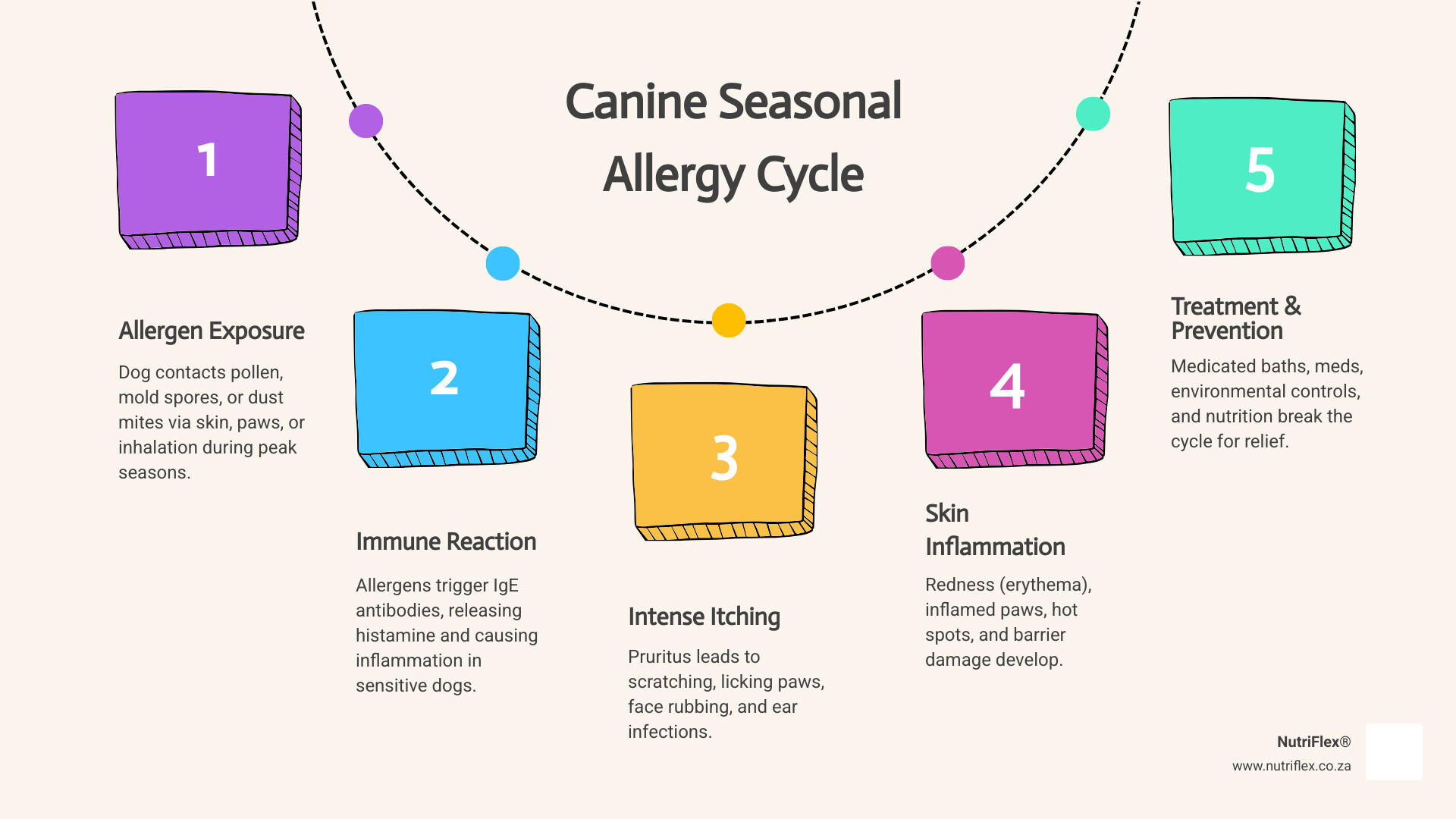
Identifying Symptoms and Triggers in South Africa
In South Africa, our diverse flora and varied climate zones mean that seasonal allergies can strike at different times. Whether it is the windy spring in Cape Town or the humid summers in KwaZulu-Natal, environmental triggers are everywhere.
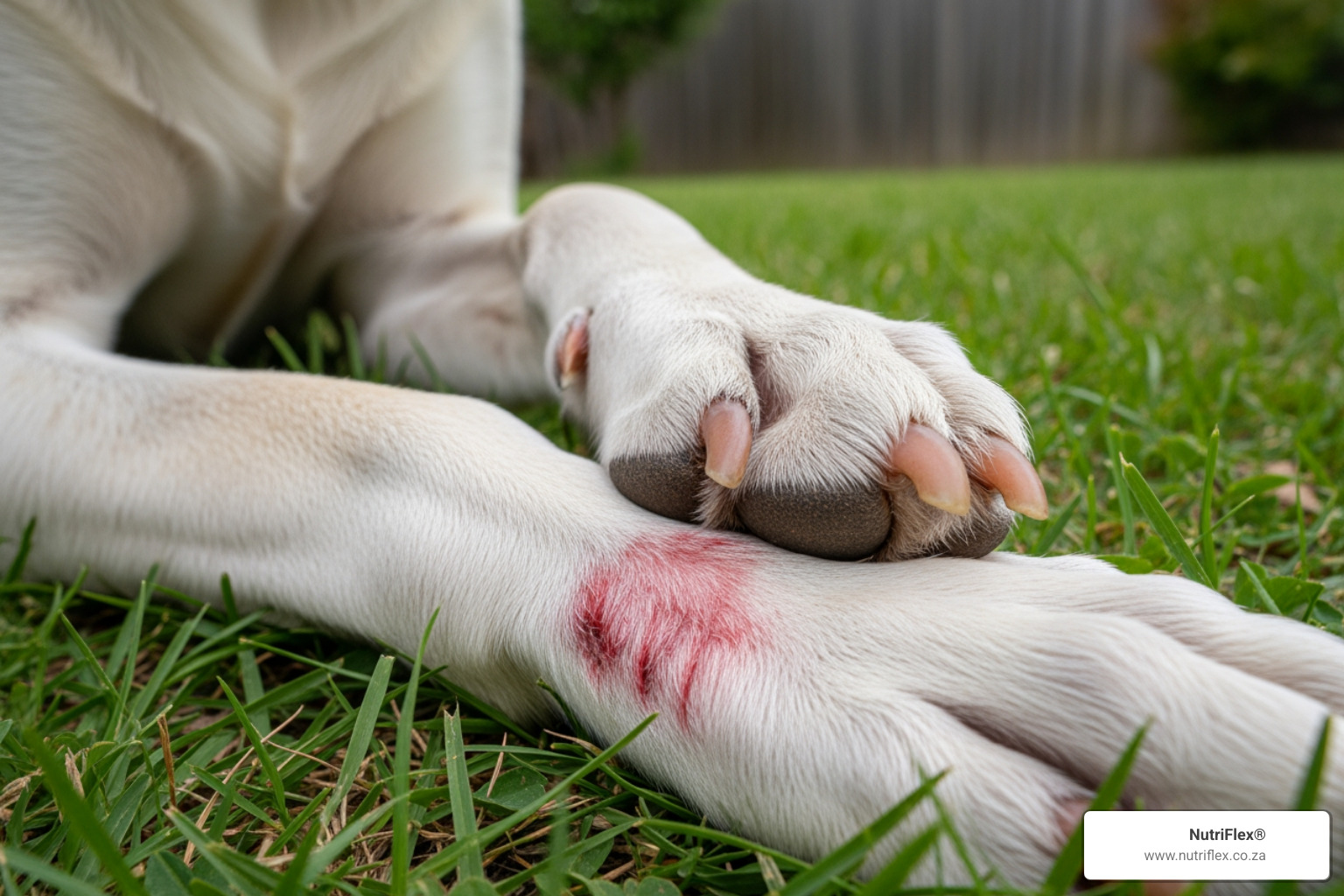
The most common sign of a seasonal allergy is pruritus, the medical term for itching. However, dogs express this itch in specific ways. You might notice your dog licking their paws incessantly, rubbing their face against the carpet or scratching their armpits and groin. This often leads to Red, itchy, or inflamed skin known as erythema.
Common South African triggers include:
- Grass Pollen: Many dogs are highly sensitive to Kikuyu or Bermuda grass, especially after a fresh mow.
- Tree and Weed Pollen: Ragweed and various indigenous trees release fine grains that dogs inhale or pick up on their fur.
- Mould Spores: These thrive in damp leaf litter or humid indoor environments.
- Dust Mites: While present year-round, indoor dust levels can spike when we close up houses during the colder months.
If you notice red and inflamed skin on your dog, it is likely that their immune system is overreacting to one of these typically harmless substances.
Veterinary Diagnosis and Dog Seasonal Skin Allergy Treatment
Before starting any dog seasonal skin allergy treatment, an accurate diagnosis is essential. Itching can also be caused by fleas, mites or food sensitivities, so we must rule those out first.
A veterinarian will typically start with a physical exam and a review of your dog’s clinical history. They may perform:
- Skin Cytology: Taking a tape impression or scrape of the skin to look for bacteria or yeast under a microscope.
- Ear Swabs: Using ear cytology to determine if a head-shaking dog has a secondary infection.
- Intradermal Testing: Often performed by a veterinary dermatologist, this involves injecting tiny amounts of allergens into the skin to see which ones cause a reaction.
- Exclusion Diets: To ensure the itch isn’t coming from food triggers that affect pet skin health.
Understanding pet allergy triggers and treatment options early can prevent a minor seasonal itch from turning into a chronic, painful skin condition.
Effective Prescription Dog Seasonal Skin Allergy Treatment
Modern veterinary medicine has moved beyond just using steroids. While corticosteroids are powerful anti-inflammatories that provide rapid relief, they can have significant long-term side effects if used improperly.
Newer treatments include:
- Monoclonal Antibodies: An injection that mimics the dog’s natural immune system to block the main signal that sends “itch” messages to the brain. It typically lasts 4 to 8 weeks.
- JAK Inhibitors: Daily oral tablets that target the enzymes responsible for itch and inflammation. They work quickly, often within 24 hours.
- Topical Therapies: Medicated sprays or creams containing hydrocortisone aceponate can treat localised spots like hives and welts without the systemic side effects of oral steroids.
Immunotherapy as a Dog Seasonal Skin Allergy Treatment
If your dog’s allergies last more than three to four months of the year, Allergen-Specific Immunotherapy (ASIT) may be the best long-term solution. After allergy testing or intradermal testing, a custom “allergy vaccine” is created.
This treatment involves giving your dog tiny, increasing doses of the allergens they are sensitive to, either via shots or sublingual (under the tongue) drops. The goal is to desensitise the immune system. While it can take 6 to 12 months to see full results, roughly 50 to 80% of dogs experience significant relief, often reducing the need for other medications.
At-Home Management and Environmental Controls
While medication stops the itch, environmental management reduces the “allergen load” your dog has to deal with. Think of it as emptying a bucket before it overflows.
Simple, effective steps include:
- Paw Wiping: Use a damp cloth or pet-safe wipes to clean your dog’s paws and underbelly every time they come inside. This removes pollen before they lick it off.
- HEPA Filtration: Using an air purifier can help trap indoor allergens like dust mites and mould spores.
- Vacuuming Protocols: Vacuum carpets and rugs at least twice weekly using a machine with a HEPA filter.
- Hot Water Bedding Washes: Wash your dog’s blankets and bed covers weekly in water at least 60 degrees Celsius to kill dust mites.
- Flea Prevention: Allergic dogs are often hypersensitive to flea saliva. Even one bite can cause a massive flare-up, so year-round flea control is non-negotiable.
For more practical tips, you can explore home dog allergy remedies that support your dog’s comfort between vet visits.
Bathing Protocols for Dog Seasonal Skin Allergy Treatment
Bathing is one of the most underrated tools in dog seasonal skin allergy treatment. Water physically washes allergens off the coat, while medicated ingredients soothe the skin.
For the best results:
- Use Lukewarm Water: Hot water can actually increase itching and inflammation.
- Choose the Right Shampoo: Look for veterinary-approved medicated shampoos or products containing oatmeal and essential fatty acids.
- The 10-Minute Rule: Medicated shampoos need time to work. Lather your dog and let the soap sit for a full 10 minutes before rinsing.
- Clean the Ears: Seasonal allergies often lead to waxy buildup. Learn how to clean your dog’s ears using a routine cleaner to prevent infections.
Nutritional Support for Skin Barrier Health
The skin is a dog’s first line of defence. In allergic dogs, this barrier is often “leaky,” allowing allergens to penetrate deeper and cause more irritation. Nutrition plays a vital role in repairing this wall.
Omega-3 Fatty Acids High-quality fish oil supplements are essential. These fatty acids reduce inflammation from the inside out and help the skin retain moisture. It usually takes 4 to 6 weeks of consistent supplementation to see a visible difference in skin quality.
The Power of Niacin (Vitamin B3) Niacin is another heavy hitter for skin health. It helps strengthen the skin barrier and supports cellular repair. When combined with other nutrients, it provides a “multimodal” approach to solving persistent dog allergies naturally with diet.
At NutriFlex®, we focus on these science-aligned ingredients to ensure your dog’s skin has the raw materials it needs to stay resilient against seasonal triggers.
Preventing Secondary Infections and Complications
The biggest danger of untreated seasonal allergies is the “itch-scratch cycle.” When a dog scratches, they create microscopic tears in the skin. Bacteria and yeast (Malassezia) that normally live on the skin surface then dive into these tears and multiply.
This leads to secondary complications:
- Pyoderma: A bacterial skin infection characterised by red bumps, pustules and crusts.
- Hot Spots: Also known as acute moist dermatitis, these are painful, oozing patches that can appear in hours. Learn more about hot spot prevention.
- Eye Issues: Some dogs develop conjunctivitis related to allergies. If they scratch at their eyes, they can cause corneal ulcers, which are veterinary emergencies.
If your dog is causing self-trauma, a recovery cone may be necessary until the medication takes effect.
Frequently Asked Questions about Seasonal Allergies
Can I use local honey to treat my dog’s allergies?
While the theory is that small amounts of local pollen in honey can build tolerance, these results haven’t been consistently duplicated in clinical studies. While a little honey is generally safe as a treat, it should not be relied upon as a primary dog seasonal skin allergy treatment.
How often should I bathe my allergic dog?
During peak allergy season, weekly bathing is usually recommended. This frequent washing removes the allergens that have stuck to the fur before they can trigger an immune response. Always use a soap-free, pH-balanced shampoo designed specifically for dogs to avoid drying out the skin.
Are certain breeds more prone to seasonal skin issues?
Yes, genetics play a massive role. In South Africa, we frequently see atopic dermatitis in West Highland White Terriers, Golden Retrievers, German Shepherds and Bulldogs. These breeds often have a genetic predisposition to a weaker skin barrier, making them more susceptible to environmental triggers.
Conclusion
Managing seasonal allergies requires a team effort between you, your veterinarian and a high-quality nutritional plan. There is rarely a “silver bullet” cure, but by combining prescription medications like Cytopoint or Apoquel with environmental controls and premium supplementation, you can give your dog a much better quality of life.
At NutriFlex®, our Act 36 registered supplements are designed to support this multimodal approach, providing the essential fatty acids and nutrients needed to maintain a healthy skin barrier from the inside out.
Shop South African allergy and itch supplements today and help your best friend enjoy the South African outdoors itch-free.
