
Your Dog’s Gut Health Deserves the Same Standards as Yours
Human grade dog probiotic powder is a supplement made with ingredients that meet human food safety standards — and it’s one of the most effective ways to support your dog’s digestion, immunity, and overall wellbeing.
Quick answer — what to look for in a human-grade dog probiotic powder:
- Human-grade ingredients — manufactured to human food safety standards, no fillers or synthetic additives
- Multiple probiotic strains — look for dog-specific strains like Lactobacillus acidophilus, Bifidobacterium animalis, and Enterococcus faecium
- High CFU count — reputable products range from 3.7 billion to 20 billion CFU per serving
- Prebiotics and enzymes — these help probiotics survive and work more effectively in your dog’s gut
- NASC certification or equivalent — confirms quality control in manufacturing
- No xylitol or harmful additives — critical, as xylitol is toxic to dogs
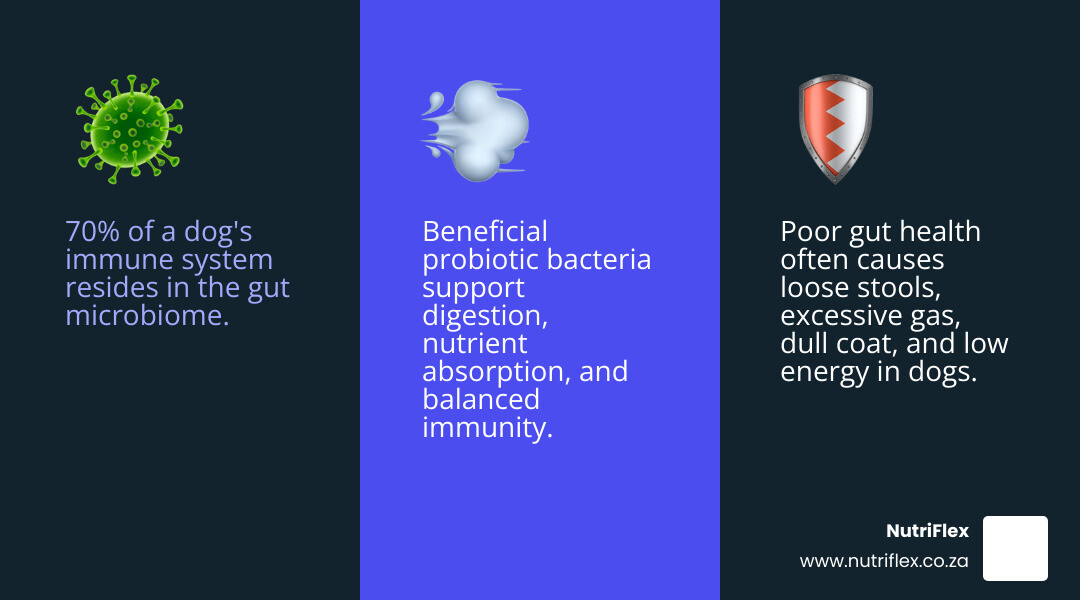
Here’s why this matters: 70% of your dog’s immune system lives in their gut. When gut bacteria fall out of balance — due to stress, antibiotics, diet changes, or aging — you’ll often see it first as loose stools, excessive gas, low energy, dull coat, or increased allergy symptoms.
For devoted pet parents who want real results without compromising on quality, the standard of ingredients matters just as much for your dog as it does for you.
What is Human Grade Dog Probiotic Powder?
When we talk about “human-grade,” we aren’t just using a marketing buzzword. In pet supplements, there is a massive difference between “feed-grade” and “human-grade.” Feed-grade ingredients are legally allowed to contain “4D” meats (animals that were dead, dying, diseased, or disabled before reaching the slaughterhouse). On the other hand, a human grade dog probiotic powder must be manufactured, packed, and held in accordance with federal regulations for human food.
This means every scoop of powder you sprinkle on your dog’s breakfast meets the same purity and safety standards as the supplements you take yourself. These products are often manufactured in facilities that follow strict cGMP (current Good Manufacturing Practices) and are subject to third-party testing for quality and purity.
For us at NutriFlex, the human food grade difference is the cornerstone of our philosophy. It ensures that there are no hidden fillers, synthetic chemicals, or low-quality “floor sweepings” that often plague the pet industry. By choosing a high-quality powder, you are optimising digestive health through ingredient integrity, ensuring that the beneficial bacteria are actually alive and capable of colonizing your dog’s intestinal tract.
Key Benefits of Human-Grade Formulas for Canine Health
The benefits of a balanced gut extend far beyond just “better poops,” although that is certainly a major perk! Because the gut is the command center for the immune system, a human grade dog probiotic powder can transform your dog’s health from the inside out.
Improved Stool Quality and Gas Reduction
Let’s be honest: nobody likes that stinky smell wafting into their mouth as they’re trying to sleep! While some flatulence is natural, excessive or “room-clearing” gas usually indicates a GI upset. Probiotics help break down food more efficiently, reducing the fermentation that causes gas and helping firm up loose stools.
Enhanced Nutrient Absorption and Energy
A healthy gut lining is better at absorbing vitamins and minerals. When your dog’s microbiome is thriving, they get more “bang for their buck” from their food, which often leads to higher energy levels and a more vibrant, shiny coat.
Allergy and Skin Support
Scientific research on dog immunity shows that by modulating the immune response in the gut, probiotics can reduce systemic inflammation. This is particularly helpful for dogs with Canine Atopic Dermatitis. In fact, one study on probiotics for atopic dermatitis found that administering specific strains like Lactobacillus sakei significantly reduced disease severity and skin itching.
Weight Management and Renal Health
Recent research on obesity and weight management suggests that certain strains, such as Enterococcus faecium and Bifidobacterium lactis, can help limit fat accumulation and systemic inflammation in dogs on high-energy diets. Furthermore, human studies on renal health support have shown that probiotics can help manage uremic toxins, a finding that is now being applied to support kidney health in aging dogs.
Choosing the Best Human Grade Dog Probiotic Powder
Not all powders are created equal. When shopping for the best dog probiotics, you need to look past the flashy labels and focus on the “Guaranteed Analysis.”
Potency and CFU Counts
Probiotics are measured in Colony Forming Units (CFUs), which tell you how many live, active bacteria are in each serving. For daily maintenance, a product with 3 to 5 billion CFUs is often sufficient. However, if your dog is recovering from antibiotics or dealing with chronic diarrhea, you may want a high-potency formula offering 10 billion to 20 billion CFUs.
Shelf Stability
Bacteria are living organisms. Heat and humidity are their enemies. Look for powders that are “lyophilized” (freeze-dried), as this process keeps the bacteria dormant but alive until they reach your dog’s warm, moist digestive tract.
| Feature | What to Look For | Why it Matters |
|---|---|---|
| CFU Count | 3.7 Billion to 20 Billion | Ensures enough bacteria survive the stomach acid. |
| Strain Diversity | 8 to 12 different strains | Different strains support different areas of the gut. |
| Ingredients | Human-grade, GMO-free | Guarantees purity and safety from toxins. |
| Packaging | Recyclable, UV-protected | Maintains potency and supports the environment. |
Essential Strains in a Human Grade Dog Probiotic Powder
A robust formula should contain a variety of “friendly” bacteria. Some of the most effective include:
- Lactobacillus acidophilus: Supports nutrient absorption and helps with gas.
- Bifidobacterium animalis: Excellent for reducing diarrhea duration—one study showed it could cut recovery time from seven days down to four.
- Saccharomyces boulardii: A beneficial yeast that is unique because it isn’t killed by antibiotics, making it the perfect companion during medical treatments.
- Enterococcus faecium: Proven to help maintain gut flora balance in high-stress environments like shelters or boarding kennels.
The Role of Prebiotics and Enzymes in a Human Grade Dog Probiotic Powder
A great probiotic powder shouldn’t work alone. It should be a “synbiotic”—a combination of prebiotics and probiotics for dogs.
Prebiotics like Inulin or Fructo-oligosaccharides (FOS) act as “fertilizer” for the good bacteria, giving them the fuel they need to thrive. Additionally, adding digestive enzymes like Amylase (for starches), Lipase (for fats), and Protease (for proteins) helps your dog’s body break down food more effectively, which is a game-changer for dogs with sensitive stomachs.
Safety and Administration: Can Dogs Take Human Probiotics?
It is a common question: “Can I just give my dog my own probiotic capsules?” While it might seem convenient, it’s usually not the best idea.
First, a dog’s stomach is significantly more acidic than a human’s. Many human probiotics are designed to dissolve in a human-level pH and will be destroyed by a dog’s stomach acid before they ever reach the intestines. Second, human supplements often contain additives like Xylitol (a sweetener), which is perfectly safe for us but highly toxic—and potentially fatal—to dogs.
Finally, the microbiome of a canine is different from ours. Dogs need species-specific strains that have evolved to live in their gut. Especially for young pets, knowing the signs your puppy needs digestive support—like eating grass or having “soft serve” stools—is the first step toward choosing a dog-specific formula.
How to Administer Powder to Picky Eaters
The beauty of a powder is the ease of use. You don’t have to “pilling” your dog or hide a tablet in a glob of high-calorie cheese.
- Flavor Profiles: Many high-quality powders come in flavors dogs love, like coconut peanut butter or hydrolyzed yeast (which tastes savory and meaty).
- Mixing: Simply sprinkle the directed dose over their kibble. If you feed dry food, add a splash of water or bone broth to create a “gravy” that coats the kibble.
- Dosage by Weight: Always follow the weight-based guidelines. A Great Dane needs significantly more CFUs than a Chihuahua!
Explore our product category for gut and digestive health to find the right concentration for your dog’s size.
Frequently Asked Questions about Dog Probiotics
When should I give my dog a probiotic (diarrhea, antibiotics, or stress)?
Probiotics are beneficial in several scenarios:
- Antibiotics: Antibiotics are “lumberjacks”—they clear out the bad bacteria but also the good. Giving probiotics (especially S. boulardii) helps prevent antibiotic-associated diarrhea.
- Stress: Travel, boarding, or moving house can upset the gut. Starting probiotics a few days before a stressful event can prevent “stress colitis.”
- Dietary Changes: If you are switching food brands, probiotics can help the transition go smoothly.
Are there any side effects or precautions to be aware of?
Most dogs handle probiotics very well. However, if you give too much too soon, some dogs may experience temporary gas or bloating as their microbiome shifts. It is always best to start with a half-dose for the first few days to let their system adjust.
How long does it take to see improvements in stool quality and gas?
While some owners notice a difference in 48 to 72 hours (especially with acute diarrhea), it typically takes 4 to 6 weeks of consistent daily use to see the full benefits for skin, coat, and immune health. Consistency is key!
Conclusion
At NutriFlex, we believe that “good enough for pets” isn’t good enough. Your dog is a member of the family, and they deserve the same quality of nutrition and supplementation that you expect for yourself.
Our human grade dog probiotic powder is crafted in our Cape Town facilities using 100% pure natural ingredients. We never use synthetics, fillers, or “feed-grade” shortcuts. By choosing a vet-approved, human-grade supplement, you are investing in your dog’s long-term health, ensuring they stay happy, active, and “regular” for years to come.
Ready to transform your dog’s gut health? Shop our human grade dog probiotic powder today and see the NutriFlex difference for yourself.
