
Can Pumpkin Seeds Really Deworm Your Dog?
Pumpkin seeds for deworming dogs is a natural remedy that genuinely works — here’s the short version:
- What they do: Pumpkin seeds contain an amino acid called cucurbitacin that paralyzes intestinal worms, making it easier for your dog’s body to expel them.
- Which worms: Most effective against tapeworms and roundworms; some evidence for hookworms and whipworms.
- How much: ¼ teaspoon of ground raw pumpkin seeds per 10 lbs of body weight, once or twice daily.
- How long: Continue for 1–2 weeks, or until parasites are gone.
- Important: Always use raw, organic, unsalted seeds — and grind them first for best results.
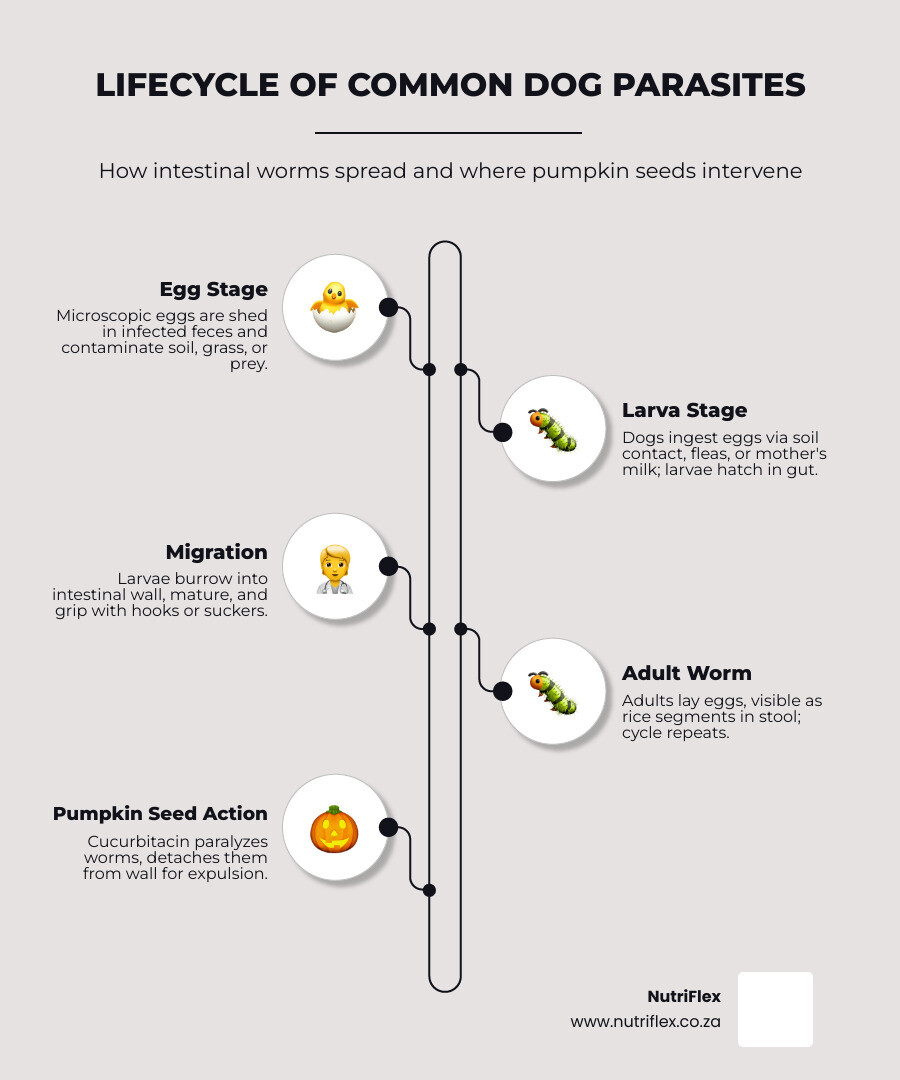
Most dog owners will deal with intestinal worms at some point. It’s not a sign of a bad owner. Worms are incredibly common, and they spread easily — through contaminated soil, infected prey, fleas, or even a mother’s milk.
Conventional dewormers work, but some pet parents are uncomfortable with the side effects or simply want a more natural, holistic approach to their dog’s health. That’s where pumpkin seeds come in.
Used for centuries in traditional medicine — including by Native American communities — pumpkin seeds have a long history as a natural antiparasitic remedy. Modern research is beginning to back this up. A 2019 study found that pumpkin seed extract outperformed the common antiparasitic drug praziquantel (PZQ) against parasites in mice, with no observed side effects or toxicity.
That said, pumpkin seeds are not a magic cure-all. They work best as part of a broader, holistic approach to your dog’s gut health — and for severe infestations, veterinary treatment is still essential.
This guide covers everything you need to know: how pumpkin seeds work, which parasites they target, how to prepare and dose them correctly, and when to call your vet.
How Pumpkin Seeds for Deworming Dogs Actually Work
The “magic” behind pumpkin seeds for deworming dogs isn’t magic at all—it’s biochemistry. The primary active compound in these seeds is an amino acid called cucurbitacin. This compound serves as a natural defense mechanism for the pumpkin plant, protecting it from herbivores and pests, but for our dogs, it serves as a potent anthelmintic (a substance capable of expelling intestinal worms).
When your dog consumes ground pumpkin seeds, the cucurbitacin goes to work in the digestive tract. Unlike chemical dewormers that often aim to kill the parasite instantly (which can sometimes release toxins into the dog’s system), cucurbitacin acts as a paralytic. It attacks the worm’s nervous system, causing it to lose its grip on the intestinal wall. Once the worm is paralyzed and detached, your dog’s natural digestive process simply flushes the parasite out through the stool.
The Role of Cucurbitacin in Pumpkin Seeds for Deworming Dogs
Cucurbitacin is particularly effective because it targets the structural integrity of the parasite. Research has shown that pumpkin seeds for deworming dogs can actually destroy the protective membranes of tapeworms and their eggs.
Historically, Native American tribes recognized these properties long before laboratory microscopes existed. They utilized the seeds and the flesh of the pumpkin to treat a variety of ailments, including kidney issues and parasite infestations. Modern science has caught up, with studies suggesting that pumpkin seed extract can be more effective than certain pharmaceutical drugs like Praziquantel (PZQ) in specific animal models, notably without the toxic side effects.
Comparing Natural Sources to Conventional Treatments
When deciding between a natural approach and a conventional one, it helps to see how they stack up side-by-side. While we always advocate for veterinary guidance, many owners find that natural remedies offer a gentler alternative for maintenance and mild cases.
| Feature | Natural Approach (Pumpkin Seeds) | Conventional Dewormers |
|---|---|---|
| Active Agent | Cucurbitacin (Natural Amino Acid) | Synthetic Chemicals (e.g., Fenbendazole) |
| Mechanism | Paralyzes worms for natural expulsion | Often kills worms directly in the gut |
| Side Effects | Rare (mild digestive upset if overfed) | Potential vomiting, diarrhea, lethargy |
| Gut Health | Supports gut with fiber and nutrients | Can temporarily disrupt gut microbiome |
| Ease of Use | Dietary addition (tasty topper) | Often requires a pill or topical liquid |
| Effectiveness | High for mild/moderate infestations | High for acute/severe infestations |
Which Parasites Can Pumpkin Seeds Treat?
While pumpkin seeds for deworming dogs are a fantastic tool, they aren’t a “one-size-fits-all” solution for every single parasite. They are most renowned for their action against intestinal “helminths”—the scientific name for parasitic worms.
The primary targets for pumpkin seeds include:
- Tapeworms (Dipylidium caninum): These are the flat, segmented worms often transmitted by fleas.
- Roundworms (Toxocara canis): These look like spaghetti and are very common in puppies.
- Hookworms: Small worms that latch onto the intestinal lining.
- Whipworms: Parasites that live in the large intestine.
It is important to note that while pumpkin seeds are excellent for intestinal health, they cannot treat heartworms, which live in the blood and heart. For more information on maintaining a healthy internal environment, you can read our guide on natural-dewormer-for-dogs-pumpkin-seeds.
Effectiveness Against Tapeworms and Roundworms
Tapeworms are perhaps the most “visible” problem for dog owners. You might notice small, white, rice-like segments crawling near your dog’s tail or in their stool. You might also see your dog “scooting” their rear across the carpet to relieve the itch. Because cucurbitacin specifically targets the worm’s ability to hold onto the intestinal wall, it is highly effective at forcing these segments out.
Roundworms are equally susceptible. These parasites often migrate through the body as larvae before settling in the gut. Using natural remedies for treating roundworms in dogs like pumpkin seeds helps ensure that as larvae mature into adults in the intestine, they are quickly paralyzed and expelled before they can cause significant nutritional deficiencies or blockages.
Preparation and Dosage: A Step-by-Step Guide
To get the most out of pumpkin seeds for deworming dogs, preparation is key. You can’t just toss a handful of whole, salted snack seeds into your dog’s bowl and expect results.
1. Source the Right Seeds
Always choose raw, organic, and unsalted pumpkin seeds. Avoid the roasted, salted “pepitas” sold as human snacks, as the high salt content and added oils can be harmful to dogs. Organic seeds ensure your dog isn’t ingesting pesticides along with their medicine.
2. Grind Them Up
This is the most important step! Dogs have short digestive tracts and cannot efficiently break down the tough outer layer of a whole pumpkin seed. If you feed them whole, they will likely pass through the other end completely intact, providing zero medicinal benefit. Use a spice grinder, blender, or food processor to turn the seeds into a fine powder.
3. Mix into Food
The powder can be used as a meal topper. Most dogs love the nutty taste, making it much easier to administer than a bitter pill. If you’re looking to further support your dog’s internal health, consider NutriFlex’s gut and digestive health supplements, which use human-grade ingredients to keep the digestive tract in peak condition.
Recommended Dosage of Pumpkin Seeds for Deworming Dogs
Consistency is vital when using natural remedies. Because you are paralyzing the worms rather than poisoning them, you need to maintain a steady level of cucurbitacin in the gut to ensure all parasites are expelled.
The generally accepted dosage is:
- 1/4 teaspoon of ground seeds per 10 lbs (approx. 4.5kg) of body weight.
- Frequency: Administer this dose once or twice daily.
- Duration: Continue for at least one to two weeks. Even if you stop seeing worms in the stool, continue for a few extra days to ensure any newly hatched larvae are also treated.
Proper Storage and Feeding Tips
Pumpkin seeds are rich in healthy fats, which is great for your dog’s coat but means the seeds can go rancid if left in a warm cupboard.
- Storage: Store your whole or ground seeds in an airtight container in the fridge or a very cool pantry.
- Freshness: Only grind what you need for a few days at a time to ensure the cucurbitacin remains potent.
- Bioavailability: Adding a small amount of moisture (like a splash of water, bone broth, or wet food) helps the powder stick to the kibble and ensures your dog actually eats the full dose.
Benefits Beyond Deworming and Potential Risks
One of the reasons we love pumpkin seeds for deworming dogs is that they are a nutritional powerhouse. Even if your dog doesn’t have worms, these seeds are a “superfood” in every sense of the word.
The Nutritional Perks:
- Fiber: Helps regulate digestion and firm up stools.
- Zinc: Essential for immune function and skin health.
- Magnesium: Supports bone health and energy production.
- Vitamin A: Crucial for vision and a healthy coat.
- Antioxidants: Helps reduce oxidative stress and inflammation, which can even assist with conditions like arthritis.
- Urinary Support: Pumpkin seeds contain oils that are believed to support bladder health and prevent urinary tract infections.
Safety Precautions and Side Effects
While generally very safe, there are a few things to keep in mind:
- No Shells: Never feed the hard, white outer shells of the pumpkin seed. They are a significant choking hazard and can cause intestinal blockages or irritation. Use the green kernels (pepitas) only.
- Digestive Upset: If you give too many seeds too quickly, the high fat and fiber content might cause mild diarrhea. Start with a smaller dose and work your way up.
- Allergies: Although rare, some dogs may be allergic. Watch for signs like hives in dogs or excessive drooling, which could indicate a reaction.
When to Consult a Veterinarian
Natural remedies are wonderful for maintenance and mild cases, but they are not a replacement for professional medical care in serious situations. You should consult your vet if:
- Your dog is a puppy: Puppies are very vulnerable to parasites, which can quickly lead to stunted growth or anemia.
- Severe Infestation: If your dog is vomiting worms, has a “pot-bellied” appearance, or shows extreme lethargy, they need immediate pharmaceutical intervention.
- Anemia: If your dog’s gums are pale, they may have a heavy hookworm load that requires urgent care.
- Pregnancy: Always check with a vet before deworming a pregnant or lactating dog.
A simple fecal exam at your local Cape Town vet can confirm exactly which parasites you are dealing with, allowing you to use pumpkin seeds more effectively as part of a targeted plan.
Frequently Asked Questions about Natural Deworming
Are pumpkin seeds safe for puppies and pregnant dogs?
Yes, in moderation. For puppies, it’s best to wait until they are eating solid food and start with a very small amount to ensure their sensitive tummies handle the fiber. For pregnant dogs, pumpkin seeds are generally considered safe and provide extra nutrients, but always clear any “treatment” with your vet first.
Can pumpkin seeds replace prescription dewormers?
For a healthy adult dog with a mild case or as a preventative measure, yes, they can be highly effective. However, for “heavy loads” or dangerous parasites like heartworm, they cannot replace specialized veterinary medicine. Many owners use a “rotation” system, using natural methods like pumpkin seeds for most of the year and conventional treatments only when a fecal test shows it’s necessary.
How long does it take for pumpkin seeds to work?
You may start seeing paralyzed worms in your dog’s stool within 24 to 48 hours. However, the full “cleanse” usually takes 7 to 14 days of consistent dosing to ensure the entire lifecycle of the worm in the gut is addressed.
Conclusion
At NutriFlex, we believe that nature often provides the best solutions for our pets’ health. Pumpkin seeds for deworming dogs are a perfect example of a traditional remedy that stands up to modern scrutiny. By choosing raw, organic seeds and preparing them correctly, you’re not just fighting parasites—you’re flooding your dog’s system with life-enhancing minerals and vitamins.
Our mission in Cape Town is to provide premium, vet-approved, human-grade supplements that support this holistic journey. Whether you’re dealing with a current “wormy” situation or just want to keep your dog’s digestive system in top shape, a natural approach is a powerful choice.
For more ways to support your dog’s vitality from the inside out, explore our full range of gut and digestive health supplements. Here’s to a happy, healthy, and parasite-free pup!
