
What Severe Tartar on Dog’s Teeth Really Means — and Why It Matters
Severe tartar on dog’s teeth is one of the most common and most overlooked health problems in dogs today. That hard, yellow-brown crust along your dog’s gumline isn’t just unsightly — it’s a sign that bacterial damage is already underway.
Here’s a quick overview of what you need to know:
| Key Fact | Detail |
|---|---|
| What it looks like | Yellow to dark brown crusty buildup along the gumline |
| How it starts | Plaque forms within hours after eating |
| How fast it hardens | Plaque mineralizes into tartar in as little as 24 hours |
| Who’s most at risk | Small breeds, flat-faced breeds, and dogs over age 2 |
| How common is it | Up to 90% of dogs over age 2 have some level of periodontal disease |
| Can you remove it at home | No — hardened tartar requires professional veterinary scaling |
| Biggest risk if ignored | Infection can spread to the heart, liver, and kidneys |
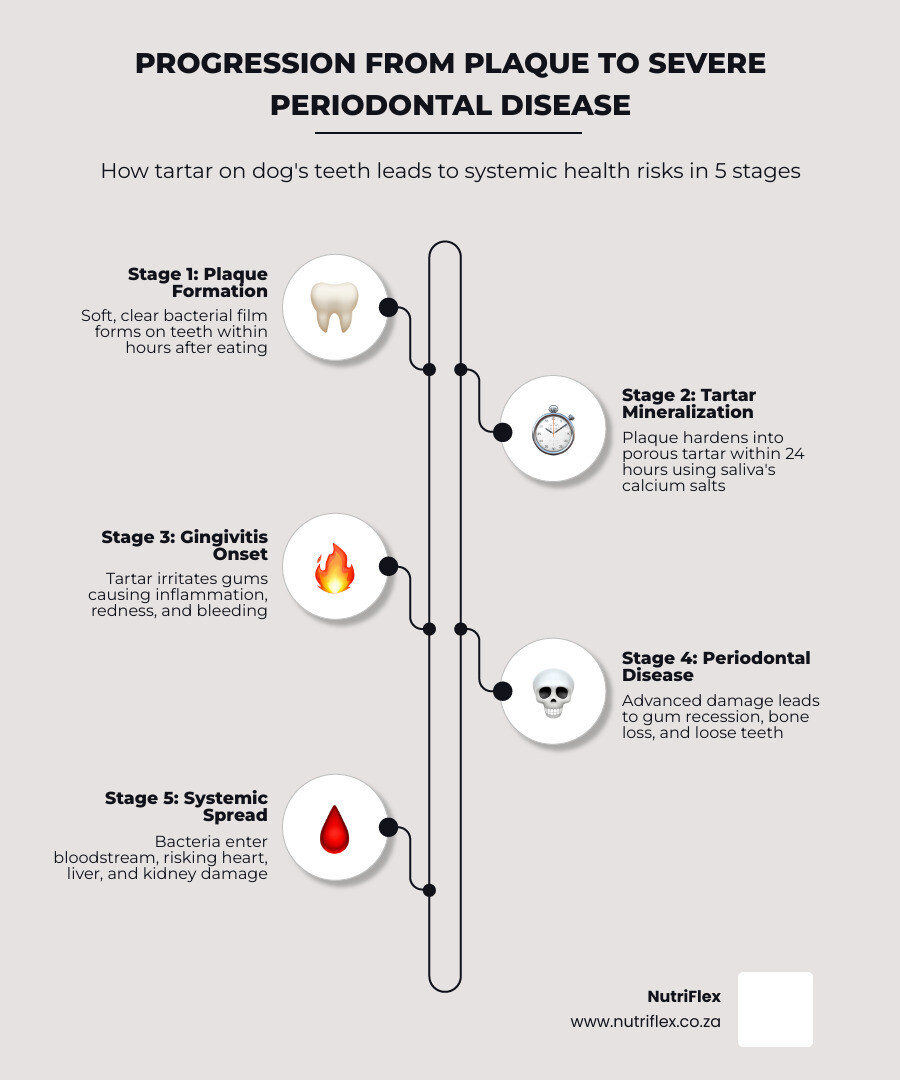
Most dog owners don’t realize how quickly things can escalate. Plaque is invisible and soft at first. But left alone, it hardens into tartar — a rough, porous surface that traps even more bacteria. From there, it’s a short road to gingivitis, periodontal disease, and eventually, systemic illness affecting vital organs.
By age three, most dogs already show early signs of periodontal disease. And in many cases, neither the owner nor the vet catches it in time.
This guide walks you through everything — from recognizing the warning signs to understanding when home care isn’t enough.
Understanding Severe Tartar on Dog’s Teeth and Its Causes
To effectively manage your dog’s oral health, we first need to understand the enemy. While many people use the terms “plaque” and “tartar” interchangeably, they are actually two very different stages of dental decline.
Plaque is a sticky, colorless film of bacteria and food particles that begins to form on the teeth just hours after a meal. At this stage, it is soft and can be easily brushed away. However, if it isn’t removed, it begins to react with the minerals in your dog’s saliva. This process, known as mineralization, transforms soft plaque into severe tartar on dog’s teeth (also known as dental calculus).
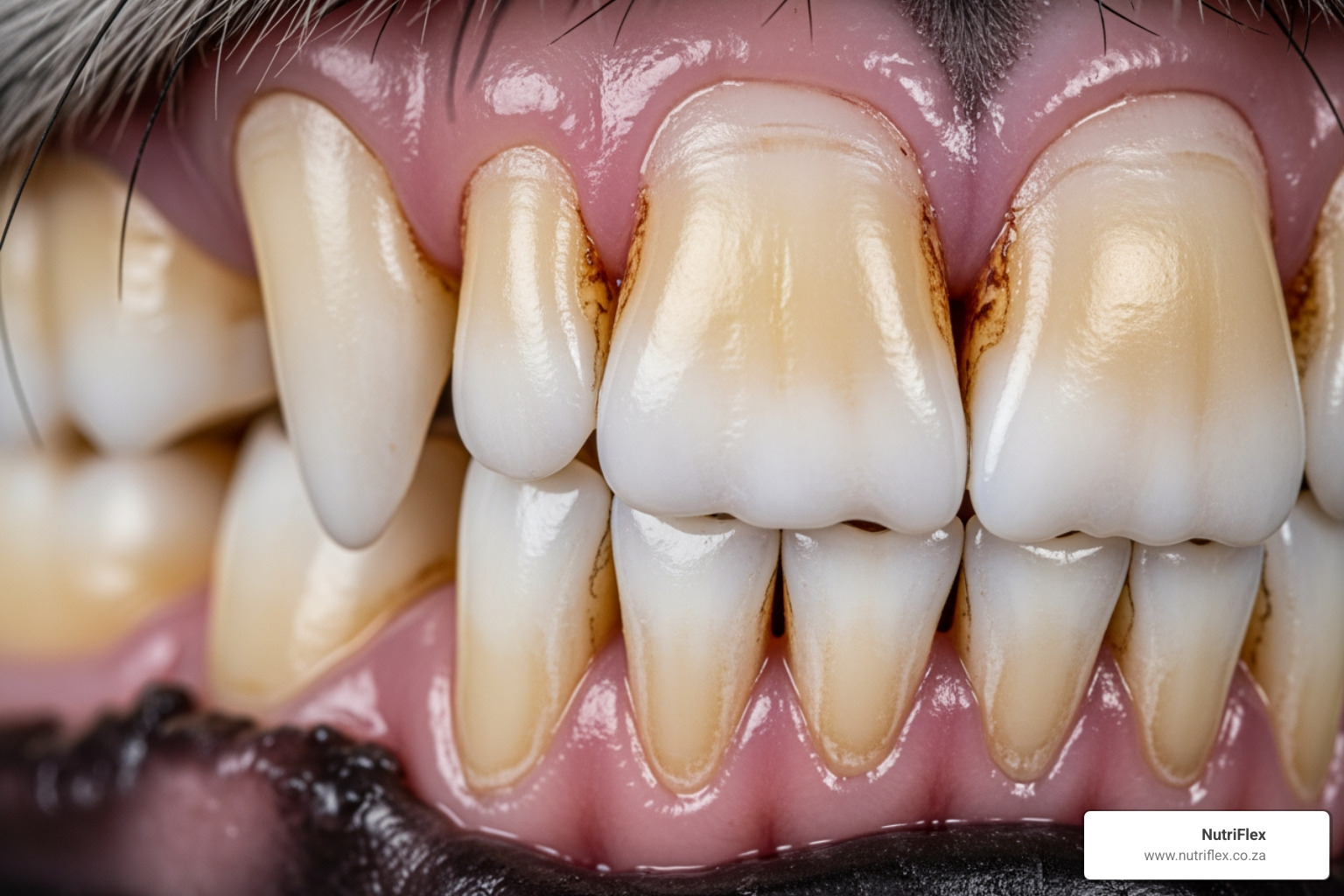
Unlike plaque, tartar is incredibly hard and porous. It acts like a coral reef for bacteria, providing a rough surface where new layers of plaque can easily attach and thrive. Because it is mineralized, tartar bonds tightly to the tooth enamel, making it impossible to remove with a standard toothbrush. According to Plaque and Tartar Prevention in Dogs, this buildup can occur both above and below the gumline, leading to deep-seated infections.
| Feature | Plaque | Tartar (Calculus) |
|---|---|---|
| Texture | Soft, sticky film | Hard, crusty, stone-like |
| Color | Colorless or pale yellow | Yellow, tan, or dark brown |
| Removal | Can be brushed away | Requires professional scaling |
| Formation Time | Hours after eating | 24 to 48 hours |
Why Certain Breeds Face Severe Tartar on Dog’s Teeth
While all dogs can develop dental issues, some are genetically predisposed to a faster rate of buildup. Small and toy breeds, such as Chihuahuas, Yorkies, and Dachshunds, are notoriously prone to severe tartar on dog’s teeth.
The primary reason is “crowded mouth syndrome.” These dogs have the same number of teeth as a Great Dane (42 permanent teeth), but they are packed into a much smaller jaw. This crowding creates numerous nooks and crannies where food and bacteria can hide, away from the natural cleaning action of the tongue and saliva.
Brachycephalic breeds (dogs with flat faces like Pugs and Bulldogs) also face unique challenges. Their jaw structure often leads to misaligned bites or rotated teeth, which prevents the natural “self-cleaning” that occurs when teeth glide against each other during chewing. For a deeper look at these risks, see our Comprehensive Guide to Canine Dental Health.
The Timeline of Plaque Hardening
In canine dentistry, time is of the essence. The transition from a clean tooth to mineralized tartar happens with alarming speed. Within just 24 hours of plaque formation, calcium phosphate and other minerals from the saliva begin to “set” the plaque into stone.
Once this 24-hour window passes, the bacterial biofilm becomes a permanent fixture on the enamel. This is why “occasional” brushing is often ineffective; if you only brush once a week, you are merely brushing the surface of existing tartar rather than preventing its formation. As we discuss in our Dentamax Premium Dental Care and Oral Health FAQs, consistency is the only way to disrupt this mineralization cycle.
Visible Signs and Behavioral Indicators of Dental Distress
One of the trickiest aspects of severe tartar on dog’s teeth is that dogs are masters at hiding pain. In the wild, showing weakness or oral discomfort could make an animal vulnerable, so our pets have evolved to suffer in silence. As owners, we have to look for the subtle physical and behavioral clues that indicate a problem.
The most obvious physical sign is the appearance of the teeth themselves. Healthy teeth should be pearly white all the way to the gumline. If you see a yellow, orange, or brown crust, that is tartar. As the condition worsens, this crust can become so thick that it completely obscures the shape of the tooth.
Another major red flag is halitosis — or “dog breath.” While many owners think bad breath is just a normal part of being a dog, it is actually a primary symptom of oral infection. The foul odor is caused by volatile sulfur compounds produced by the bacteria living in the tartar. If the smell is enough to make you turn away, it’s time for a check-up. You can learn more about the chemistry of this odor in What Causes Pet Bad Breath? and How to Tell If Your Dog Has Dental Disease.
Behavioral Changes Linked to Severe Tartar on Dog’s Teeth
Since your dog can’t tell you their mouth hurts, they will show it through their actions. Pay close attention to how they interact with food and toys. Common indicators of dental pain include:
- Pawing at the mouth: Your dog may act as if they have something stuck in their teeth.
- Head shyness: If your normally affectionate dog suddenly pulls away when you try to pet their face, they may be guarding a painful mouth.
- Dropping food: Watch for “quidding,” where a dog picks up a piece of kibble, tries to chew, and then drops it back into the bowl.
- One-sided chewing: If they only use one side of their mouth, the other side is likely suffering from severe tartar on dog’s teeth or a loose tooth.
- Excessive drooling: Sometimes accompanied by tinges of blood on their chew toys.
These changes often happen gradually, so it’s easy to miss them until the pain becomes unbearable. For more on what to look for, check out our guide on Signs Dog Might Need Dental Powder This Summer.
Physical Symptoms of Advanced Periodontal Disease
When tartar is left untreated, it moves beneath the gumline, leading to periodontal disease. This is where the real damage happens. The bacteria begin to destroy the supporting structures of the tooth, including the gingiva (gums), the periodontal ligament, and eventually the jawbone itself.
In these advanced stages, you may notice bleeding gums, receding gumlines (where the tooth looks longer because the root is exposed), and even pus formation around the teeth. In some cases, a severe tooth root abscess can cause visible facial swelling, often appearing as a lump just below the dog’s eye. If you suspect your dog is at this stage, read Does Your Dog Have Bad Breath? to understand the urgency of the situation.
The Danger of Untreated Tartar: Systemic Health Risks
It is a common misconception that dental disease stays in the mouth. In reality, severe tartar on dog’s teeth is a gateway to systemic illness. The mouth is highly vascular, meaning it has a rich supply of blood vessels. When the gums are inflamed and bleeding (gingivitis), it creates an open door for bacteria to enter the bloodstream.
This process is called bacteremia. Once these oral bacteria are in the blood, they can travel to any organ in the body. Research, such as the study on the Relation between periodontal disease and systemic diseases in dogs, has shown a direct link between oral health and the function of vital organs. Every time a dog with severe dental disease chews, they are essentially sending a shower of bacteria through their system. You can read more about why Dog Bad Breath Might Be a Bigger Issue than just a smelly nuisance.
Impact on Vital Organs
The organs most commonly affected by oral bacteria include:
- The Heart: Bacteria have a particular affinity for heart valves. They can attach to the valves, causing inflammation known as endocarditis, which can lead to heart murmurs and eventual heart failure.
- The Liver: The liver acts as a filter for the blood, so it often traps these circulating bacteria, leading to painful liver abscesses and chronic inflammation.
- The Kidneys: The kidneys are also highly susceptible to bacterial damage from the mouth, which can accelerate the progression of chronic kidney disease, especially in senior dogs.
By maintaining oral health, we aren’t just saving teeth; we are protecting our dogs’ lives. Our mission at NutriFlex is to Safeguard Pet Dental Health through proactive care.
Professional Intervention vs. At-Home Removal
When it comes to severe tartar on dog’s teeth, there is a hard truth every pet owner must face: you cannot remove it yourself. Because tartar is mineralized and bonded to the enamel, trying to scrape it off with a metal tool at home is dangerous. You risk fracturing the tooth, scratching the enamel (which actually makes it easier for more tartar to grow), or causing a painful injury to the dog’s gums.
Professional veterinary dental cleaning is the only safe solution for established tartar. This procedure is performed under general anesthesia for several critical reasons:
- Subgingival Cleaning: The most dangerous bacteria live under the gumline. A vet can only reach these areas safely when the dog is still.
- Intubation: Anesthesia allows the vet to place a tube in the dog’s airway, preventing them from inhaling bacteria or water during the cleaning.
- Comprehensive Exam: Vets can take dental X-rays to see what is happening beneath the surface, identifying bone loss or root infections that aren’t visible to the naked eye.
- Scaling and Polishing: Vets use ultrasonic scalers to vibrate the tartar off the teeth, followed by polishing to smooth the enamel and slow down future buildup.
While many owners worry about anesthesia, modern veterinary protocols in Cape Town are extremely safe. The risk of untreated dental infection is far greater than the risk of a controlled anesthetic procedure. For a breakdown of the process, see Plaque and Tartar in Dogs: What It Is And How To Treat It and consider What’s the True Cost of Neglecting Your Dog’s Teeth?
Limitations of Home Remedies for Severe Buildup
There are many “natural” hacks suggested online, such as coconut oil or kelp flakes. While these can be excellent preventative tools, they will not dissolve existing, rock-hard tartar. Coconut oil has antibacterial properties, and kelp can change the chemistry of the saliva, but neither has the mechanical power to break a mineralized bond.
Think of it like a dirty car: brushing is like a regular car wash, but severe tartar on dog’s teeth is like a dent in the metal. No amount of soap will fix the dent. You need a professional. We discuss these limitations further in our guide on How to Remove Plaque and Tartar from Your Dog’s Teeth.
Prevention Strategies and Long-Term Maintenance
Once your vet has performed a professional cleaning and your dog has a “clean slate,” the goal is to keep it that way. Prevention is a multi-layered approach.
- Daily Brushing: This remains the gold standard. Using a dog-specific toothbrush and enzymatic toothpaste (never human toothpaste, which contains fluoride and xylitol) helps break down the bacterial biofilm before it can mineralize.
- VOHC-Approved Products: Look for the Veterinary Oral Health Council seal on treats and chews. These have been scientifically proven to reduce plaque and tartar.
- Dental Diets: Specific kibbles are designed to be larger and more fibrous, providing a mechanical “scrubbing” action as the dog chews.
- Water Additives: These can be helpful for dogs that won’t tolerate brushing, as they contain enzymes that help neutralize oral bacteria.
Natural Supplements for Plaque Control
One of the most exciting developments in canine dental care is the use of Ascophyllum Nodosum, a specific type of organic seaweed. When ingested, the active compounds in this seaweed are absorbed into the bloodstream and secreted back into the saliva.
This changes the saliva’s chemistry, making it harder for plaque to stick to the teeth and even helping to soften existing plaque so it can be brushed away more easily. Our Dentamax powder utilizes this natural power to provide a 360-degree approach to oral health. Learn more about The Impact of Ascophyllum Nodosum on Dental Health and why it is a Superior Alternative to Dog Dental Food.
Frequently Asked Questions about Canine Tartar
Can I remove severe tartar at home without a vet?
No. As we’ve emphasized, severe tartar on dog’s teeth is mineralized and requires professional ultrasonic scaling. Attempting to scrape it off yourself can cause micro-cracks in the enamel, which creates more surface area for bacteria to colonize. Furthermore, “anesthesia-free” dental cleanings offered by some groomers only clean the visible parts of the tooth, leaving the dangerous bacteria under the gumline untouched. For more on safe at-home care, read How to Remove Plaque from Your Dog’s Teeth at Home.
How often should dogs with a history of tartar get cleanings?
For most dogs, an annual professional cleaning is sufficient. However, for small breeds or dogs with a history of rapid buildup, we often recommend six-month intervals. Consistent home care with products like Dentamax can significantly extend the time between professional cleanings.
Are dental powders effective for existing severe tartar?
Dental powders are primarily preventative. They work by inhibiting new plaque from attaching and mineralizing. While they can help soften the edges of tartar over several months, they are not a replacement for a veterinary cleaning if the buildup is already severe. Their real strength lies in Post-Cleaning Maintenance to ensure the tartar never returns.
Conclusion
At NutriFlex, we believe that a healthy dog starts with a healthy mouth. Severe tartar on dog’s teeth is more than just a cosmetic issue; it is a serious health threat that requires a combination of professional veterinary care and dedicated at-home maintenance.
Based in Cape Town, we are proud to produce premium, vet-approved natural supplements that are certified human-grade. Our products, like Dentamax, are made in our Muizenberg facilities using 100% pure natural ingredients with no synthetics or fillers. By choosing pure, effective solutions, you are giving your dog the best chance at a long, pain-free life.
Explore our full range of Pet Dental Health Solutions and start your dog on the path to a brighter, healthier smile today.